Tag Archives: 1850s lifestyles

Weird and wonderful goldfields history. Part one.

Animals

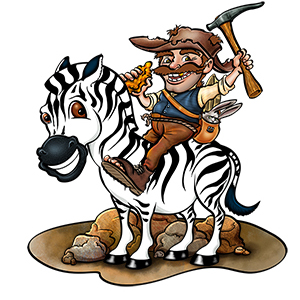
TigerDuring the Christmas school holiday period this year Sovereign Hill has focussed on some of the strange but true stories of the Ballarat gold rush period. These have included stories about a deep sea diver, zebra, tiger and diggers dressed as women.  As entertaining as these weird and wonderful stories have been, we must remember that as a museum it is our responsibility to be as accurate in our portrayal of goldfields’ history as possible.

ZebraFor that reason all of these activities had to have some basis in fact, and this makes the stories even better. In this Blog we will explore two of these activities and the amazing true stories that they are based on.

Continue reading

Confectionery

A short history of sweets

Our current school holiday program, the “Raspberry Drop Rebellion” inspired us to look at our confectioners and the history of sweet making. We already have a blog on raspberry drops and the history of our confectioners, so with the assistance of our Senior Historian Dr Jan Croggon, this blog is focused on the history of sweet making up to the goldfields era.

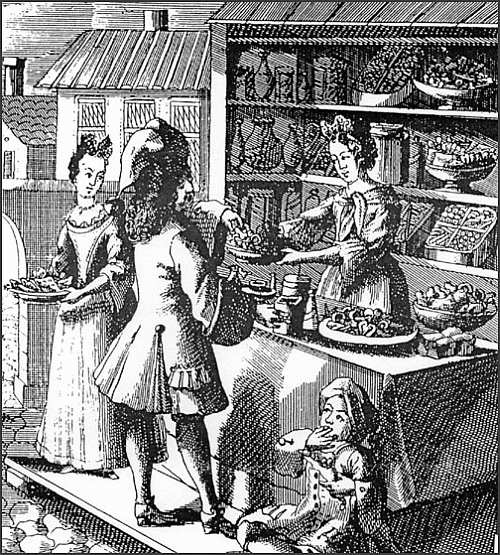
Etching of confectionery booth, including “a little boy with his conical bag of sugar plums” by Christoph Weigel, c. 1700

From earliest times, ‘Sweets’ were precious rarities, and status symbols, dating back to 600 years ago, when sugar was a rare and expensive commodity.  Sugar was closely associated with medicine, celebrations, and food preservation, and all of these came together in the early 1800s to be identified as ‘confectionery’, and sold in sweet shops.

Sugar sweetened early medicines. Apart from sweetening sugar can also preserve fruits and vegetables. Sugar was supposed to be good for colds, and comfits (nuts or seeds covered in sugar) were considered to aid digestion in the later Middle Ages (around 1400 CE). In later centuries sugar was used to preserve fruit and flowers for the winter months and enhanced the luxury image of confectionery.

From the Elizabethan age (around 1550 CE), through to the 18th century, sugar was a rich indulgence – and then falling sugar prices and technical innovation made ‘sweets’ available to more people, and ‘sugar became a necessity, and sweets a commonplace part of childhood.’ (Mason 1999).

Continue reading

Gold Rush Undies: Women’s fashionable underwear in the 1850s

Women’s Underwear

As there has been so much interest in our fashion blogs, we have decided to include another fashion post.

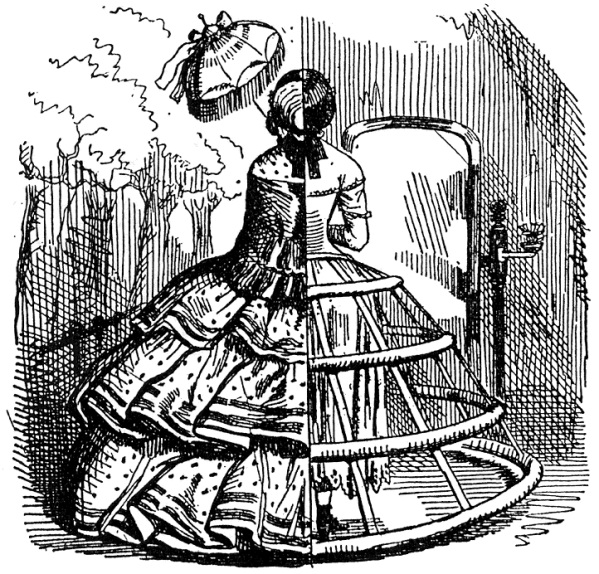
Cutaway diagram showing underclothes

Cutaway diagram showing underclothes

What did women wear under their beautiful dresses? The dressing regime of a lady would be seen as incredibly tiresome by today’s standards. Because the fashions came from Europe, the clothing would have been terribly warm and claustrophobic in the Australian climate. Let’s explore the stages of layering required to achieve the desired result for the fashion of the day.

Continue reading

Goldfields Entertainment

Bowling Alleys on the Goldfields

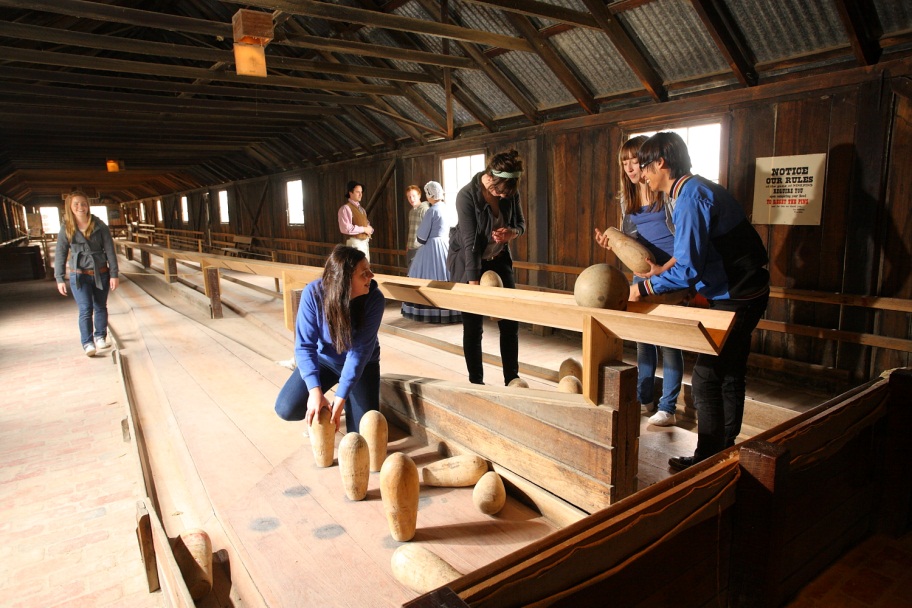
Once again a question from a student has inspired an idea for this blog. A student from Wesley College, Clunes campus wanted to know more about bowling saloons on the goldfields, similar to Sovereign Hill’s Empire Bowling Saloon.

Re-setting the pins at Sovereign Hill's Empire Bowling Saloon

Re-setting the pins at Sovereign Hill’s Empire Bowling Saloon

This turned out to be quite a challenge, as there isn’t much information from the time about this sort of sporting or gaming entertainment. However, we have managed to find some information about them. Continue reading

What was eaten on the Goldfields; part 2

Recipes of the Bush

“Damper and Mutton”

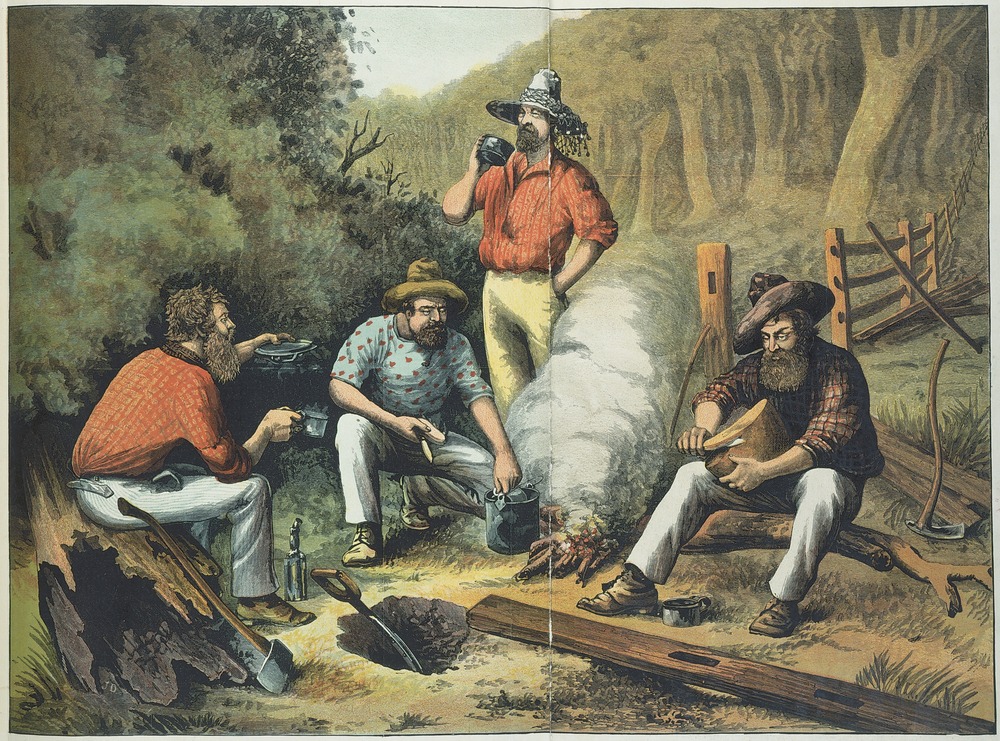
“Tea and Damper” by A . M. Ebsworth. From Digital Collection of the State Library of Victoria.

“Tea and Damper” by A . M. Ebsworth. From Digital Collection of the State Library of Victoria.

Following a previous blog post, we have tried to find a few examples of recipes from the gold rush period of our History. Robyn Annear (Nothing But Gold, 1999), says that one who lived through it called the early years of the Gold Rush (1851-1853) the “damper and mutton stage of the colony”. The foods most readily available were sheep (mutton) from the squatters and flour, sugar, tea and dried fruit as these would not go off quickly. This brings us to our first recipe – damper.

Damper and its variations.

This explanation is from James Bonwick, quoted in Nothing but Gold (1999);

Taking a washing tin dish, and clearing off the dirt a little, six or eight pannicans of flour are thrown in; a half table spoonful of carbonate soda, the like quantity of tartaric acid (together these are Baking Powder, sort of), and a spoonful of salt are then mixed together in a pannican and then well mingled with dry flour. Water is then poured in, the whole thoroughly knuckled, rolled into a good shaped loaf, and tumbled at once into the warmed camp oven. Fire is applied beneath and a couple of hours or less will turn out a loaf fit to be set before a queen.

Continue reading

Household Arts of the 1850s: A personal experience part 3.

The Woman of the Hill part 3.

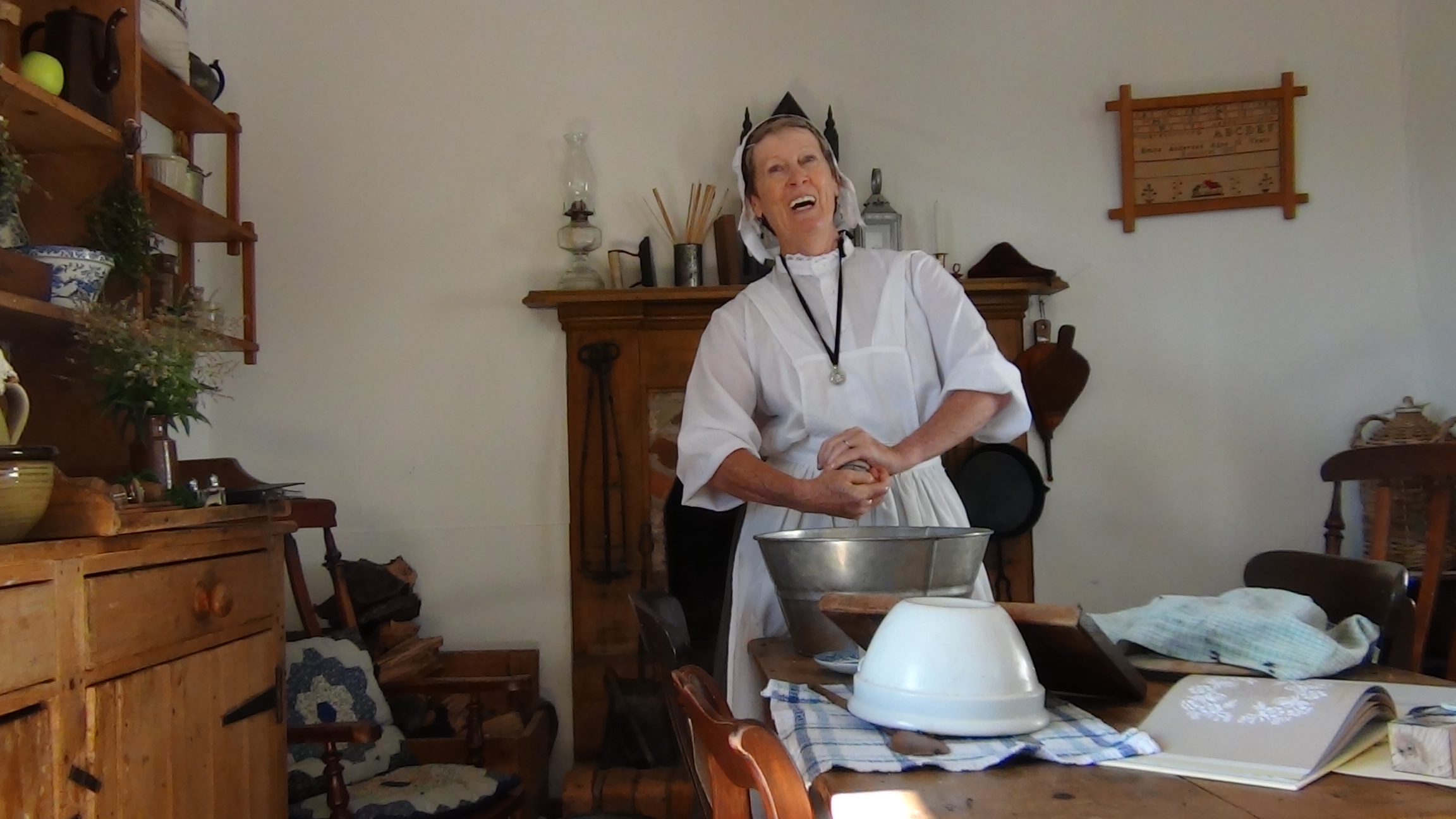
Jenni enjoying a lighter moment from her stay

Jenni enjoying a lighter moment from her stay

Our intrepid volunteer, Jenni Fithall, has completed her three days and two nights living in one of the cottages at Sovereign Hill Outdoor Museum.  During her stay approximately 3800 visitors, including about 1500 school children  came to Sovereign Hill. Many of these visitors and children visited Jenni in her cottage, so apart from living as a woman of the 1850s, Jenni also had to contend with a multitude of questions, photo opportunities and a constant stream of people walking through her little two room cottage. Continue reading

Household Arts of the 1850s: a personal experience part 2; the first night

Woman of the Hill 2

Jenni doing the dishes and talking to visitors

Jenni doing the dishes and talking to visitors

The first night of intrepid volunteer Jenni Fithall’s experiment with colonial living is over and we (two of the Education officers) called in to check up on her.

Sovereign Hill:

Morning Jenni, how did you sleep?

Jenni:

Terribly! The rooster started crowing at about 3.30 am, and all the rest joined in. They would stop for about 20 minutes, and I would drift off to sleep. Then they would start again. It was nice laying in bed watching the glow from the fire.

SH:

Any other excitement overnight?

Jenni:

Well I had a bath. It took for ever to warm up enough water for it. I set the bath up in here (Kitchen/Dining room). I now know why they (Colonial people) only bathed once a week, it was so much work, and that’s only for one person!

SH:

We notice there’s a lot of flies around, do you need another fly strip? (The one hanging from the ceiling, is covered with flies, and there is still a swarm flying around the room).

Jenni:

No I have a spare one. Marion (Education officer) and I put one up about 4 o’clock yesterday afternoon, but last night the ceiling was black with flies. (They are really bad, no wonder disease was rife in these communities)

Jenni is cooking her breakfast, some sliced potato and an egg over the fire. She has some other food cooked from yesterday covered with tea towels, at least it is quiet as the Museum is not open to visitors yet.

SH:

Do you expect many visitors today?

Jenni:

Oh yes, there was a constant flow of people coming in yesterday. And there are plenty of school children staying at the museum so I expect I will be very busy talking to visitors and completing all my chores.

If you would like your students to experience a little of Jenni’s experience, try our a woman’s work is never done education session.

For more information about women on the Goldfields, you could try the Gold museum Blog about Eliza Perrin or our earlier Blogs.

If you would like to see what Jenni went through, we have made several videos about her time at Sovereign Hill, and the links are detailed below.

Woman of the Hill part 1

Woman of the Hill part 2

Woman of the Hill part 3

Woman of the Hill making butter

Woman of the Hill, the final interview

There was so much information about this experiment, that we created a new page on our website. All the videos and links to Blogposts are here.
What was eaten on the Goldfields?

Food on the Goldfields

Butchers Shambles, by S. T. Gill. Ballarat Gold Museum Collection 86_628

Butchers Shambles, by S. T. Gill.
Image: Gold Museum Collection 86_628

What types of foods were eaten during the gold rush? What utensils were used to cook with? What was life like for a cook in the gold rush? What things did they cook on? Was it hard for a cook? Did the children or men ever help the women? These were the questions sent to us by a year 9 girl recently. These are very good questions and we’re not sure we can answer all of them here. But evidence of the eating and cooking habits of diggers can be found in their letters home, diaries, newspapers and in some of the paintings and sketches from this time.

It is generally believed that the first diggers on the goldfields lived on Mutton and Damper (Old sheep and camp bread) at first. This could be true, as it would take time to grow vegetables, and at first diggers were not allowed to plant gardens. Sheep would have been plentiful, as Squatters had already established large holdings of land, with huge herds of sheep. This all makes sense, but are we being too general, and can we find evidence of this being the case? Continue reading