Category Archives: History Teaching

Books for Teaching History: Days of my Youth

Days of my Youth

By Charles Napier Hemy Ra, ARA, RWS, 1841 – 1917

Days of my Youth

Edited by Peter McGann
Published by Viglione Press, Black Rock, Victoria 2009

This fantastic little book is a great way to personalise students experiences of our History, and provides an opportunity to debate the classification of a source as primary or secondary. Charles Napier Hemy was a renowned maritime artist of the late 19th century. At the age of 10 he accompanied his father on a trip around the world, culminating in a visit to the Goldfields of Victoria in 1851-2. In 1904 Charles sat down on board his yacht Van Der Meer in Falmouth harbour and wrote a journal of his recollections of his travels under sail, and adventures on the Goldfields. Continue reading
Household Arts of the 1850’s: A personal experience

Woman of the Hill

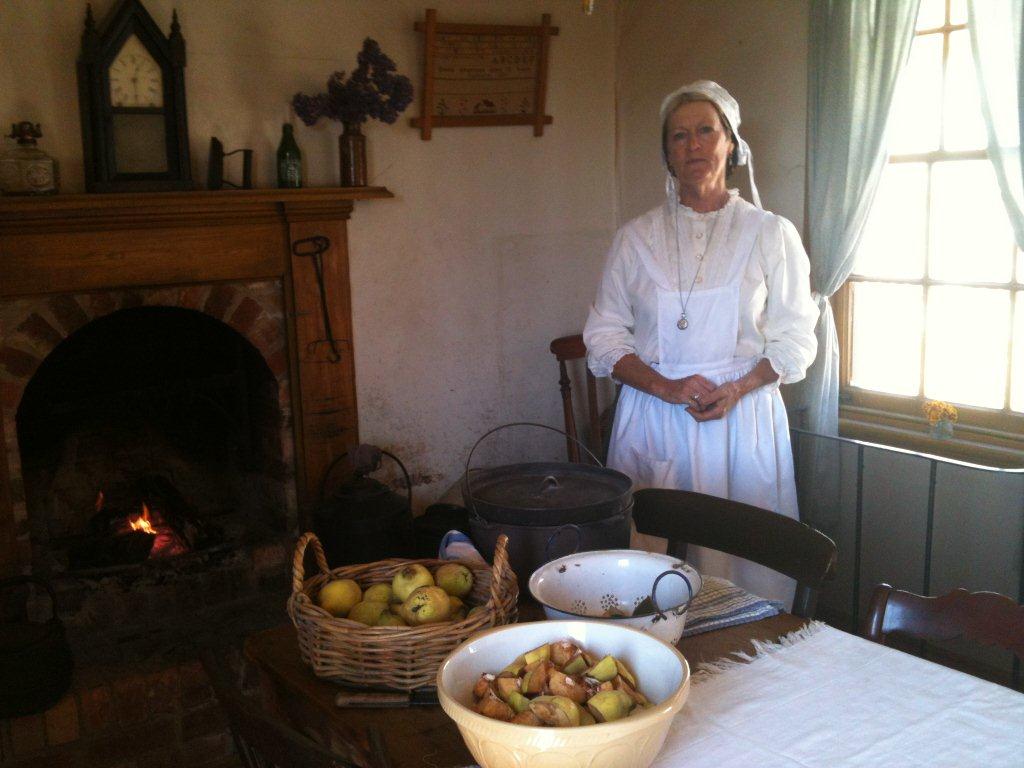
Ever wondered what it would be like to have lived during the 19th Century? Would you like to experience it for yourself? Well you don’t have to, because we have someone to do it for you. Jenni Fithall is a volunteer at Sovereign Hill Museum, Ballarat. She belongs to the “Friends of Sovereign Hill” (FOSH), a group that helps to bring the Museum to life for visitors.

Sovereign Hill Volunteer Jenni Fithall, who will be living in one of our cottages for 3 days in March 2013

Sovereign Hill Volunteer Jenni Fithall, who will be living in one of our cottages for 3 days in March 2013

Jenni has decided to try living in one of the cottages on Speedwell St for two nights and three days in March. Our Education Officers recently interviewed Jenni, to find out how she felt about her upcoming adventure. Continue reading

What caused the Eureka Stockade? – Part 3

Was the Government too slow to react? Did they have the time?

S.T.Gill - Australian Sketch Book- Gold Museum Collection

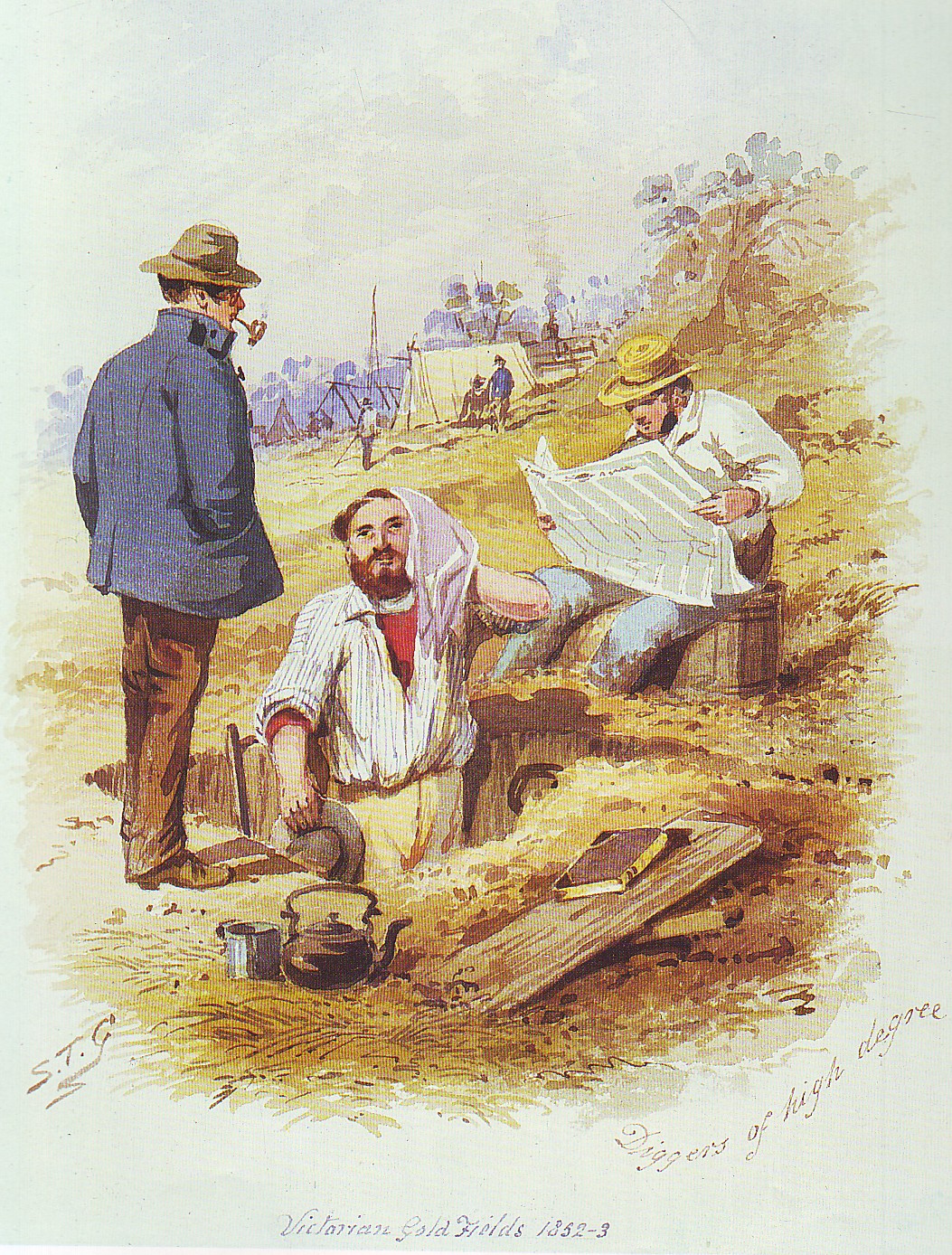
Gill, S.T. – High Degree- Ballarat Gold Museum Collection

Many People believe that the problems with Government and licence fees began after all the easy gold was taken, and diggers were forced to take longer to find gold. This makes sense, why would anyone be upset with paying a licence fee if they are pretty sure of getting rich quick? The National Library of Australia has set up TROVE, a free digitised search service, so you can research their extensive archive of old newspapers and magazines. A quick read through some of the newspapers around in the first year of the Victorian Gold rushes, shows that many people were already angry about paying a fee, why?

Header from the Melbourne Argus-August 14th 1851

Header from the Melbourne Argus-August 14th 1851

TROVE can be a lot of fun too. I already mentioned the Newspapers, but there are also digital copies of old magazines, maps, photos and much more. You can even edit articles that the computer didn’t read properly.

Early Problems with the licence system

Do you like paying out good money and receiving nothing in return? Well neither did the people of Victoria in the 1850s, and they made their feelings known through the newspapers.  Continue reading

The Industrial Revolution in Australia

Teaching about the Industrial Revolution in Australia

Steam Power

Steam Power

The Industrial Revolution (1750-1914) is a fascinating part of modern world history.  It had far-reaching impacts and was the catalyst for dramatic social changes.  It is a great option for secondary teachers to choose as a Year 9 Depth Study in the new AusVELS History course.

Continue reading

AusVELS Resources for the New Year – Settlement of Victoria

New Teaching Kit focused on AusVELS level 5

Home Bound by ST Gill (Gold Museum Collection)

Home Bound by ST Gill (Gold Museum Collection)

The Education team at Sovereign Hill have just completed a new resource for teachers of History at AusVELS level 5. The Settlement of Victoria. It provides some practical advice on teaching the content and skills required by the National Curriculum, as well as online links to resources for teachers and students. The kit also provides links to a Teachers Guide and AusVELS Grid and a Diigo social bookmarking website, dedicated to this topic, so that teachers and students can share their resources.

Just follow this link to find out more.

Are you implementing AusVELS in your school yet? How are you coping with the changes? 

Household Arts of the 1850s: Sweeping, Beating and Scrubbing

The Household Arts: Sweeping, Beating and Scrubbing

Keeping the floors clean in the 1850s was a never-ending challenge!  On the golfields, the early arrivals had to contend with the most basic of dwellings: tents and timbers huts, most of which had dirt floors.  Some enterprising families and businesses would use crushed quartz for flooring as it was found to be a good way to avoid flea infestations.  Even in the later years of the gold rush, many diggers would still live in huts and tents, allowing them to save their money and move on quickly as new leads were discovered.

Continue reading

Household Arts of the 1850s: Ironing

The Household Arts: Ironing

This is another in a series of posts about the Household Arts during the 19th century.  You can also read our first post about Laundry and our second about drying clothes here.  If you have a topic you’d like us to cover, please leave a comment or contact us!

Continue reading

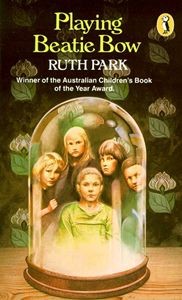
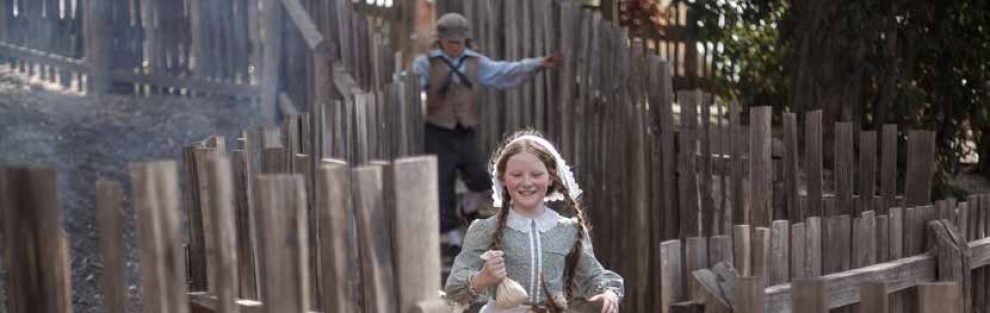
Books for Teaching History: Playing Beatie Bow

Playing Beatie Bow by Ruth Park

Playing-Beatie-Bow-CoverPlaying Beatie Bow has been read in schools for the past 30 years or so.  While it may be beginning to look dated to children today and the language can be challenging, it is still a rich historical fiction full of insights into Australia during the Victorian era.

Continue reading