Category Archives: Uncategorized

It’s beach time!

As this blog already contains several posts about the history of Christmas, this festive season we have decided to explore the history of beach holidays!

1

An early bathing machine.

Bathing in the ocean became popular in Europe in the 1700s, before Australia was colonised by Britain. Both immersing yourself in the water and drinking sea water were considered to cure all kinds of illnesses. As a result, many of Europe’s rich and powerful would spend a “season” at the seaside, bathing most days using a bathing machine. Believe it or not, winter was considered the best time to do this.

2

Ladies “Bathing Dress”- 1858, from the magazine Harper’s Bazaar.

A bathing machine was a hut on wheels in which people changed into their swim suits. This carriage-type contraption was then pushed into the water (using man power, horse power or sometimes even steam power) so the bather could step out and immediately lower themselves into the water. Some bathing machines had tents that would extend out and enable bathers to enter the water in complete privacy, while some came with “dippers” or “bathers”. These were attendants of the same sex as the bather who would dunk you underwater the correct number of times to cure whatever illness you had been diagnosed with.

Queen Victoria’s husband Prince Albert believed that sea bathing was beneficial to one’s health, and in 1846 he had a bathing machine installed on the beach near their summer palace on the Isle of Wight. Victoria and her daughters regularly used the bathing box to enjoy the water. The queen’s bathing box, used to preserve her modesty, is now fully restored and on public view.

3

Queen Victoria’s bathing machine has a veranda at the front where curtains concealed her from view whilst she bathed. Inside is a changing room and a plumbed-in toilet. The whole contraption was run into the sea from the beach along a long ramp, and pulled back using a wire rope and winch!

By the 1850s, when gold was discovered here in Ballarat, dippers had gone out of fashion. However, people continued to visit the seaside especially after train travel made reaching the beach cheap and convenient.  Some historians think that the main motivation now was pleasure and holiday making although many people still believed a visit to the seaside was good for your health. By this time people were going to the beach during summer rather than winter.

Bathing soon became popular here in Australia although in some parts of the country it was banned during daylight hours up until 1902 because a wet woman in a swim suit was considered an indecent sight. Furthermore, some men were said to enjoy swimming naked, so you definitely couldn’t do that in public.

4

St Kilda Esplanade, main beach (1864).

The St Kilda Sea Baths were opened in 1860 to take advantage of the popular seaside excursion trend. These enclosed sea baths were thought to keep bathers safe from Australia’s scariest sea creatures. However, even before the baths were built, St Kilda was a popular swimming spot. In the 1840s it already had bathing boxes (bathing machines with their wheels taken off), and by 1854 Captain Kenney had deliberately sunk a ship just off the beach and put out ropes to it for people to swim along. Once the St Kilda train station was opened in 1857 more sea baths opened and regular swimming competitions were held. As businesses, the baths were not the financial success the owners hoped as the majority of visitors to St Kilda soon became confident to swim in open water.

Since these humble beginnings, going to the beach has now become a normal part of Australian life. Most Australians live on or near the coast, and some of our beaches like Bells in Torquay, Bondi in Sydney and the Gold Coast near Brisbane are considered to be among the best in the world. Interestingly, having tanned skin was avoided by European women during the nineteenth century, as it showed you were poor and had to work outdoors like a peasant.

Like swimming, the history of swimwear is also fascinating, read all about it here. Enjoy the summer sun and happy holidays!

Links and References

The history of sea bathing: http://en.wikipedia.org/wiki/Sea_bathing

19th century bathing history: http://consideringausten.wordpress.com/2014/04/12/so-you-want-to-go-swimming-in-regency-england/

18th and 19th century bathing history: http://www.messynessychic.com/2014/04/15/victorian-prudes-beachside-bathing-machines/

History of St Kilda Baths, Melbourne: http://www.stkildaseabaths.com.au/history

History of sun tanning: http://www.skincancer.org/prevention/tanning/tale-of-tanning

Collectors of the Nineteenth Century

In Victorian times, collecting was all the rage. People collected many different things such as butterflies, stamps, shells, stones, weapons, and even human bones. Some were motivated to collect in the name of science, while others filled their parlours with “curiosities” just for the fun of it. While some of these 19th century collectors and their collections have helped us better understand nature and the many different cultures around the world, collecting may have sometimes caused more harm than good.

gorilla

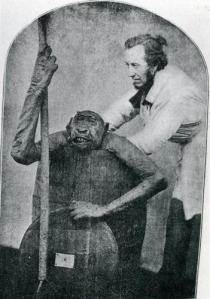
Zoologist and taxidermist Araham Dee Bartlett with his first gorilla (pickled…!), collected by Dr. Du Chaillu for Professor Owen, British Museum, 1861.

One fascinating Victorian collector was the explorer Paul Du Chaillu. He was the first European to see (and later kill) a live gorilla while he was travelling around Africa from 1856 to 1859. Until the 1860s, Europeans thought gorillas were mythical creatures. Their bones had been collected and studied in the late 1840s, but pickled (eew!) and stuffed examples of them weren’t brought back to Europe until the 1860s! Only then did people believe that these large, hairy Great Apes really existed.

Collectors have taught us much about the world. Probably the most famous collector of all was Charles Darwin, who developed the theory of evolution by natural selection (he published his famous book on this topic, On the Origin of Species, in 1859). In the 1830s Darwin sailed around the world for five years collecting many different kinds of plants and animals. This helped him develop his world-changing idea that successful animals adapt to suit their environment. While he brought many dead and preserved specimens back to England, he also collected live animals including giant Galapagos tortoises. Many people believe that Harriet, a tortoise at Australia Zoo which died in 2006 at the age of 176, was originally collected by Darwin.Tortoise

Darwin was one of many famous collectors who popularised collecting as a hobby, and by the 1850s it was a very fashionable pastime for a gentleman. Here on the Ballarat goldfields there were many men who collected minerals (stones), bird eggs, postcards, weapons made by the local Aboriginal people (the Wathaurong), and animals which would commonly be preserved using the technique of taxidermy (stuffing them). Sadly, there is even evidence that at least one collector in Western Victoria dug up bodies of Aboriginal people to take their skulls (Griffiths, Hunters and Collectors: The Antiquarian Imagination in Australia, p.28-9).

The bones of such “exotic” people would be sent to places like the British Museum to be studied and displayed. At the time this was seen as scientific inquiry but today the practise is illegal and recognised as being totally inappropriate and insensitive to the families and descendants of those deceased people. Fortunately, human remains from many countries which were sent to European museums and universities in the 19th century have now been respectfully returned to their communities of origin. The remains of Truganini, mistakenly believed to be the last Tasmanian Aboriginal person, were finally returned from the Royal College of Surgeons of England in 2002, 130 years after they were sent away from her homeland.

Mermaid

Feejee Mermaid Year: 1842. Con artist: P.T. Barnum.

Sometimes people would try to use their collections to make money, and this often caused more creative collectors to invent curious creatures and artefacts. A good example of this is the Feejee Mermaid, which was exhibited from 1842 until the 1860s in P. T. Barnam’s world-famous circus. Another example was a petrified wooden carving of a head that claimed to have been discovered in a gold mine at Creswick, 12kms north of Ballarat in 1855. This was revealed to be a hoax after some initial excitement about what it meant for understanding Australia’s history of human habitation (Griffiths, Hunters and Collectors: The Antiquarian Imagination in Australia, p.35).

Human zoo

An advertisement for a human zoo in Stuttgart, Germany, 1928.

Perhaps the most dark and worrying aspect of collecting were zoos which displayed humans. Cities such as London, New York, Paris, Milan and Barcelona all had zoos containing “exotic” peoples by the 1870s.

While the word ‘scientist’ only came into use in 1834, the 19th century was an exciting time for science and discovery; fossils of dinosaurs and mammoths were being unearthed as were the tombs of ancient Egyptian pharaohs, and millions of people were moving from one country to another – by choice – for the first time in history. While many people still collect all kinds of weird and wonderful things today like Barbie dolls, rare books and beautiful antiques, we are much more careful about the kinds of things we collect and the way we collect them. Check out some of the fascinating collections preserved by The Gold Museum here.

Links and References:

On gorillas – http://en.wikipedia.org/wiki/Paul_Du_Chaillu

About Charles Darwin and his work – http://darwin200.christs.cam.ac.uk/pages/index.php?page_id=jb

Harriet the Giant Galapagos Tortoise – http://en.wikipedia.org/wiki/Harriet_(tortoise)

Museum of things Queen Victoria and Prince Albert collected – http://www.vam.ac.uk/

The return of Truganini’s remains – http://www.theage.com.au/articles/2002/05/28/1022569769905.html

The Feejee Mermaid – http://en.wikipedia.org/wiki/P._T._Barnum

Another fake mermaid – http://www.goldmuseum.com.au/fake-mermaid-photograph/

Human zoos – http://en.wikipedia.org/wiki/Human_zoo

History of the word “scientist” – http://www.npr.org/templates/story/story.php?storyId=127037417

Gold Museum collections – http://www.goldmuseum.com.au/about-our-collections/

On creepy Victorian mummy unwrapping parties (‘Egyptomania’) – http://neovictorianparlour.blogspot.com.au/2013/04/victorian-mummy-unwrapping-parties.html

Griffiths, Tom. Hunters and Collectors: The Antiquarian Imagination in Australia, Cambridge University Press, 1996.

Weird and wonderful goldfields history. Part 2

 Weird People

Diver_smallIn this blog we continue our research behind the weird and wonderful activities created for our school holiday program. The last blog focussed on our animal stories, this post is about the people of the goldfields and the weird but true stories of their lives on the Ballarat goldfields.

Continue reading

Goldfields Medicine: Part 2

Apothecaries: medicines and food

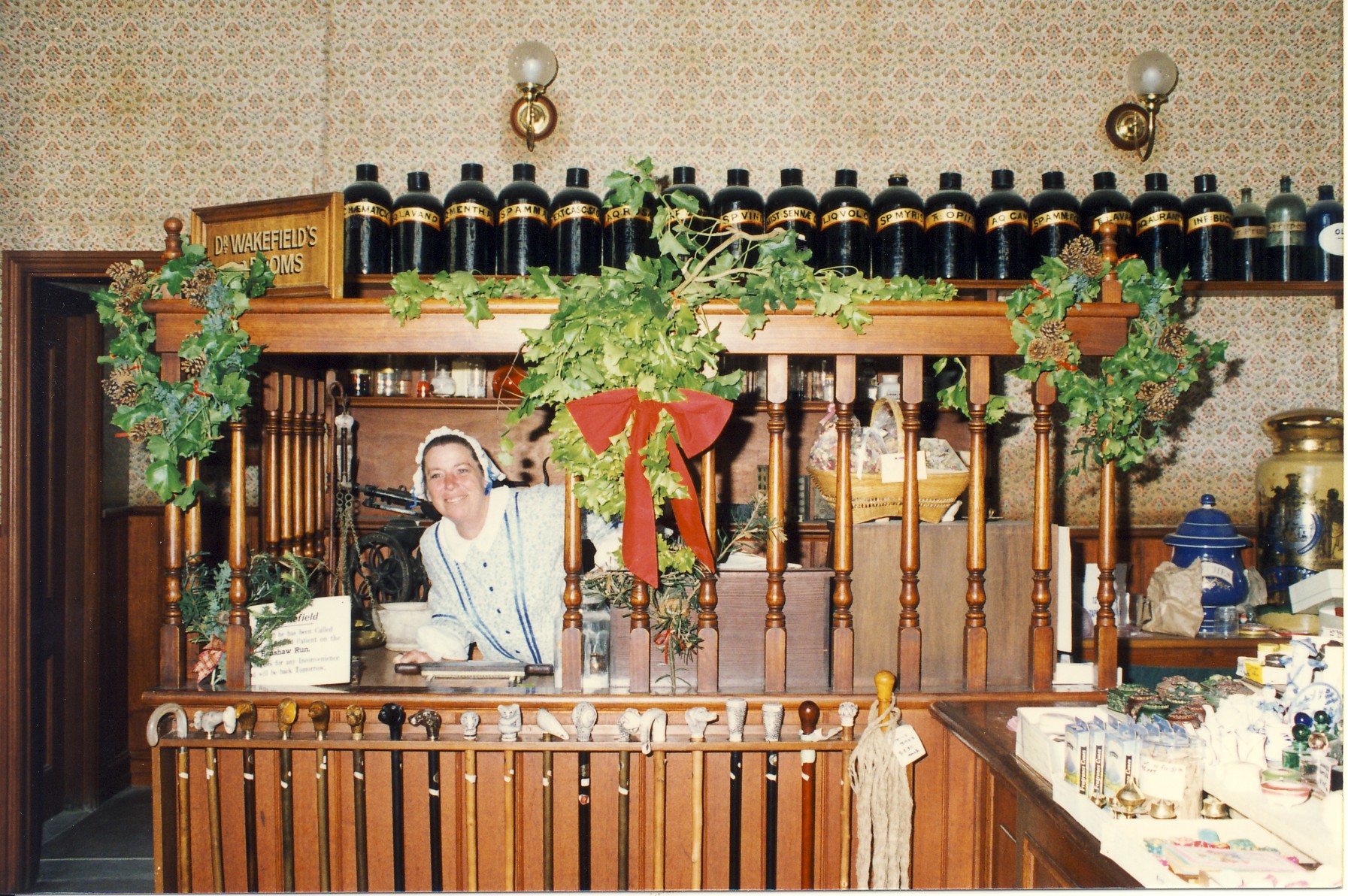
Interior of Apothecary at Sovereign Hill. Gold Museum Collection

Interior of Apothecary at Sovereign Hill. Gold Museum Collection

In a previous post we talked about doctors on the goldfields, and the early hospitals in Ballarat. But there were many other medical people on the goldfields. Among them were the Apothecaries, who could make up medicines, from the ingredients available at the time. Most of these ingredients were based on plant and animal extracts, and could also be used as foodstuffs. Their role is now mainly performed by Pharmacists, but an Apothecary did so much more. They also performed surgery, midwifery and gave medical advice. In this Blog we will explore the secretive world of the Apothecary, and how they contributed to the lives of people on the goldfields and the wider world.

Continue reading

The Industrial Revolution in Australia: Part 2

Ballarat and the Industrial Revolution

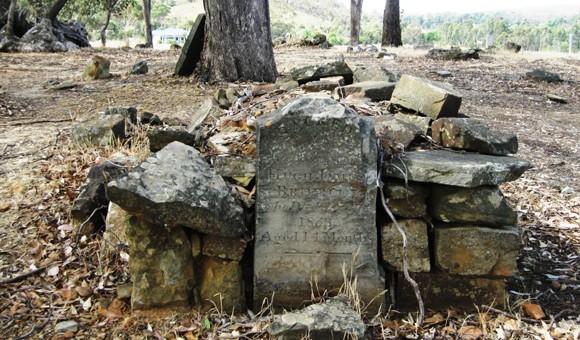
Pennyweight Gully, near Castlemaine. Taken by Marion Littlejohn

Pennyweight Gully, near Castlemaine. Photo taken by Marion Littlejohn

Many townships sprang up during the Gold Rush era of Colonial Victoria, but many of these towns withered and died as soon as their gold ran out, to the point that many are now ghost towns. However there are several exceptions to that. Many prosperous Central Victorian towns can trace their beginnings back to the discovery of gold. Towns such as Stawell, Ararat, Maryborough, Castlemaine and St Arnaud were larger at the time gold was being mined, but they still survive decades, even a century after the gold ran out. Ballarat and Bendigo are today major regional centres, and although there are still gold mines in or near both, they do not rely on gold to continue to grow. So what are the things that decided whether a town would grow, survive or die after the gold ran out? We think the answer involves the Industrial Revolution in Australia.

In our previous post on the Industrial revolution in Australia, we discussed how the people coming to the goldfields brought the knowledge and skills of the Industrial Revolution, and very soon were putting this knowledge to practical use in the search for gold. Here at Sovereign Hill we have many examples of these technological advances, and the benefits and/or downfalls of the use of machinery in gold mining. More importantly we also have some examples of steam technology being used for purposes not directly linked to finding gold. It is these other industries that give us the clue as to why Ballarat thrived, but towns nearby (Clunes, Smythesdale, Creswick etc) struggled after the gold mining phase of our history dwindled.

Continue reading