The Industrial Revolution in Australia

Teaching about the Industrial Revolution in Australia

Steam Power

Steam Power

The Industrial Revolution (1750-1914) is a fascinating part of modern world history.  It had far-reaching impacts and was the catalyst for dramatic social changes.  It is a great option for secondary teachers to choose as a Year 9 Depth Study in the new AusVELS History course.

Continue reading

AusVELS Resources for the New Year – Settlement of Victoria

New Teaching Kit focused on AusVELS level 5

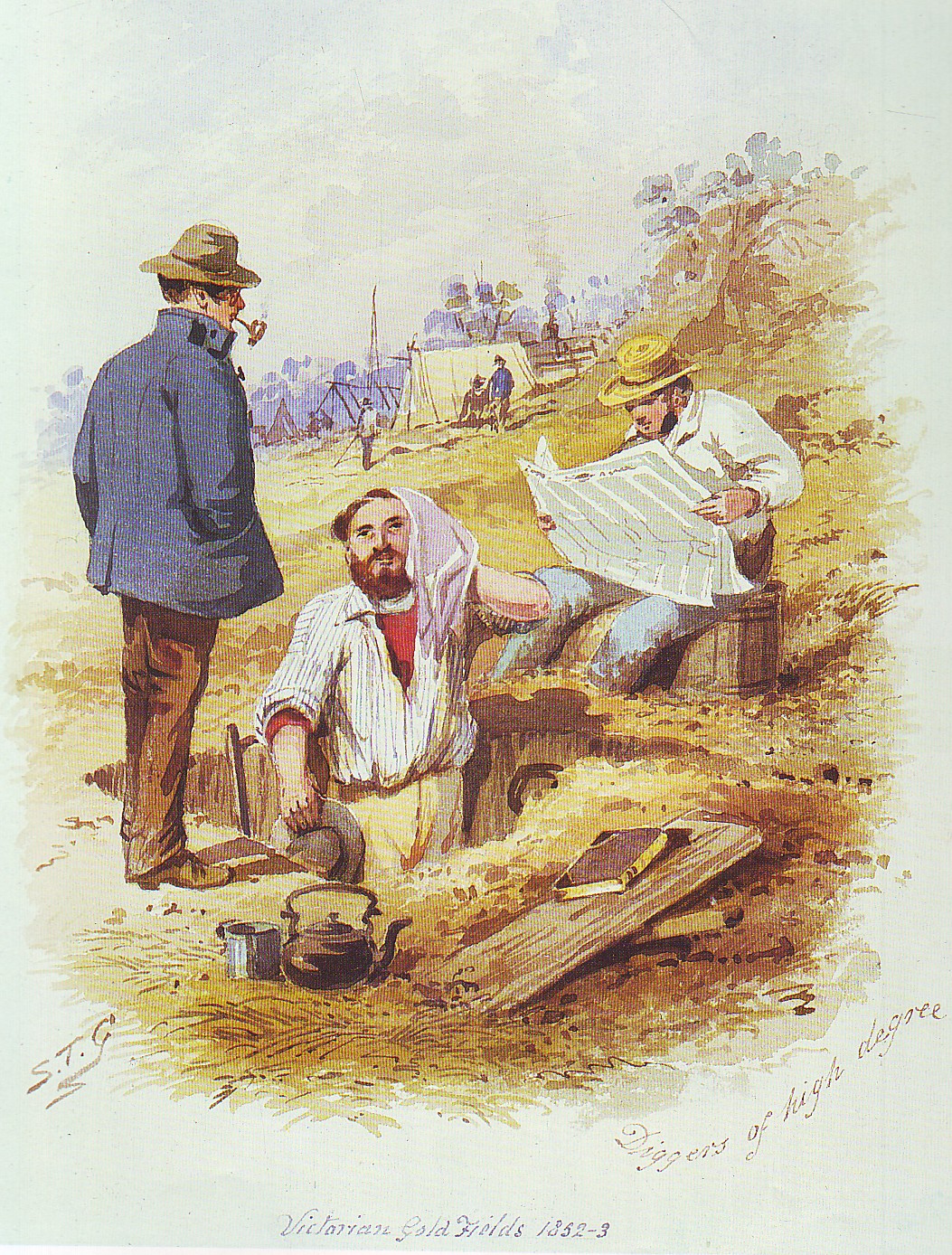
Home Bound by ST Gill (Gold Museum Collection)

Home Bound by ST Gill (Gold Museum Collection)

The Education team at Sovereign Hill have just completed a new resource for teachers of History at AusVELS level 5. The Settlement of Victoria. It provides some practical advice on teaching the content and skills required by the National Curriculum, as well as online links to resources for teachers and students. The kit also provides links to a Teachers Guide and AusVELS Grid and a Diigo social bookmarking website, dedicated to this topic, so that teachers and students can share their resources.

Just follow this link to find out more.

Are you implementing AusVELS in your school yet? How are you coping with the changes? 

A Colonial Christmas in Ballarat

Christmas Celebrations in the 1850s

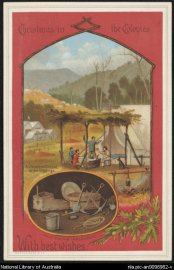
A drawing of Christmas celebrations during the gold rush.  - National Library of Australia

A drawing of Christmas celebrations on the diggings – from the National Library of Australia

Christmas in Ballarat during the gold rush was very different than it is today.  They didn’t have all the glitzy decorations that adorn our modern streets and houses.  Despite this, they worked hard to create a joyous atmosphere that could remind them of Christmas back home.  Although, as this newspaper article highlights, they don’t seem to be missing the cold winter days…

Continue reading

Gold Rush Babes: Children’s fashion in the 1850s

Children’s Clothing during the Gold Rush

Children’s clothing would depend largely on the wealth of their parents.  Those children fortunate enough to be born into wealthy families would have comfortable, high quality and fashionable clothing.  Poor children would have to make do with basic clothes that would be worn until they fell apart.  Social expectations of the time dictated that children, like men and women, should be modestly and neatly (as much as possible) attired at all times.

Continue reading

Household Arts of the 1850s: Sweeping, Beating and Scrubbing

The Household Arts: Sweeping, Beating and Scrubbing

Keeping the floors clean in the 1850s was a never-ending challenge!  On the golfields, the early arrivals had to contend with the most basic of dwellings: tents and timbers huts, most of which had dirt floors.  Some enterprising families and businesses would use crushed quartz for flooring as it was found to be a good way to avoid flea infestations.  Even in the later years of the gold rush, many diggers would still live in huts and tents, allowing them to save their money and move on quickly as new leads were discovered.

Continue reading

Household Arts of the 1850s: Ironing

The Household Arts: Ironing

This is another in a series of posts about the Household Arts during the 19th century.  You can also read our first post about Laundry and our second about drying clothes here.  If you have a topic you’d like us to cover, please leave a comment or contact us!

Continue reading

Books for Teaching History: Playing Beatie Bow

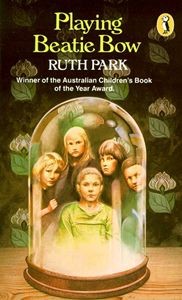
Playing Beatie Bow by Ruth Park

Playing-Beatie-Bow-CoverPlaying Beatie Bow has been read in schools for the past 30 years or so.  While it may be beginning to look dated to children today and the language can be challenging, it is still a rich historical fiction full of insights into Australia during the Victorian era.

Continue reading

Household Arts in the 1850s: Laundry (Drying)

Hanging Clothes out to Dry in the 1850s

Melanie wrote to ask to ask what people used for clothes lines and pins in the 1850s, so we thought we’d share some information and photos about clothes drying methods from years gone by.

Continue reading