A short history of sweets
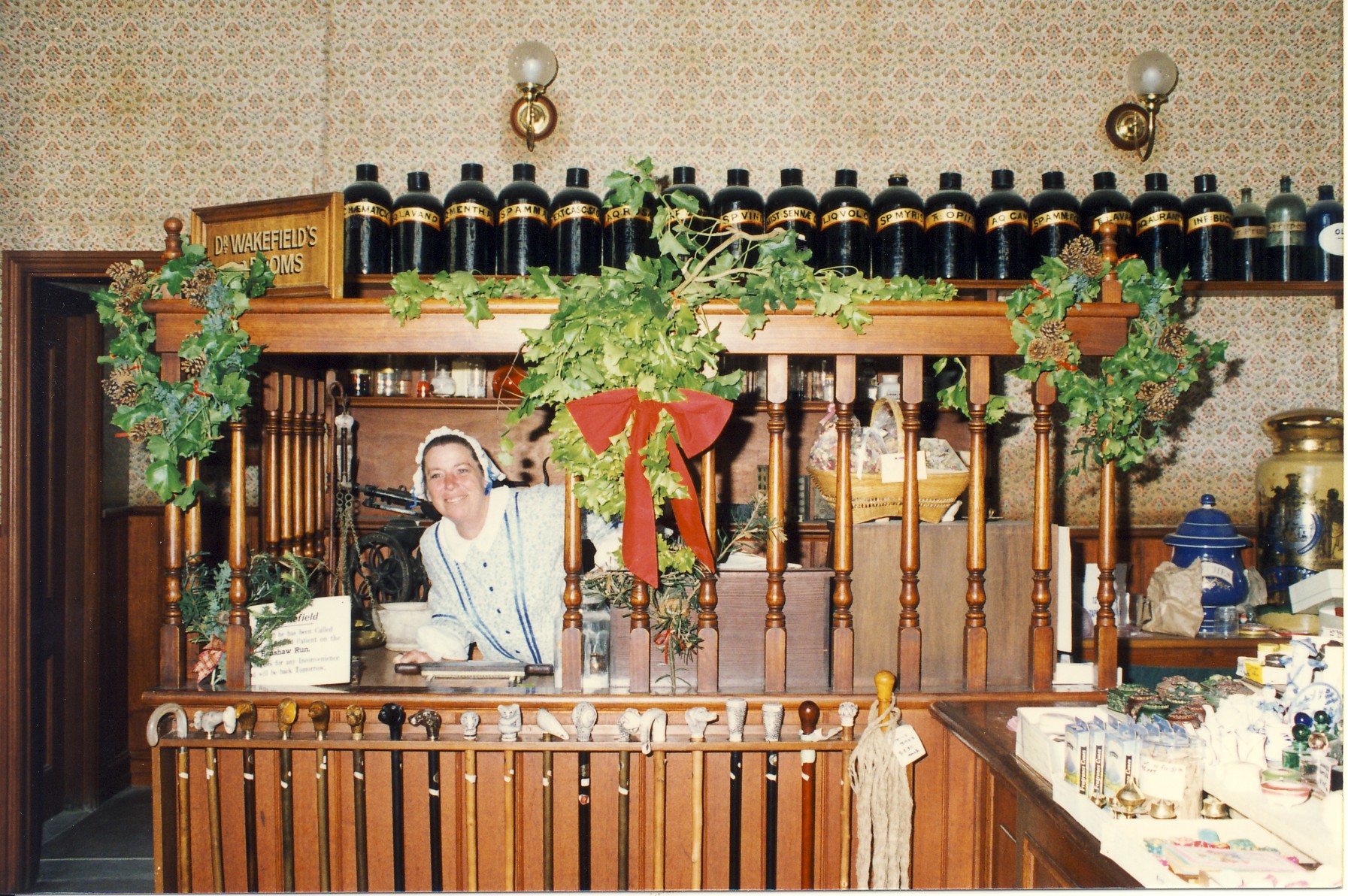
Our current school holiday program, the “Raspberry Drop Rebellion” inspired us to look at our confectioners and the history of sweet making. We already have a blog on raspberry drops and the history of our confectioners, so with the assistance of our Senior Historian Dr Jan Croggon, this blog is focused on the history of sweet making up to the goldfields era.
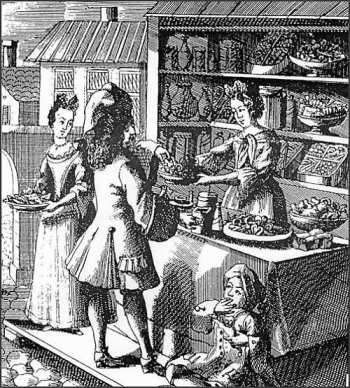
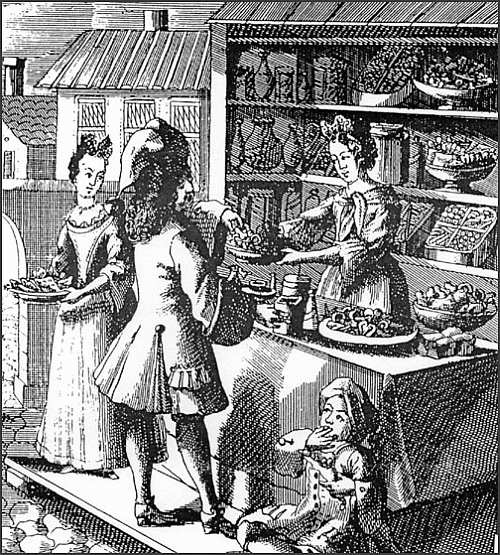
- Etching of confectionery booth, including “a little boy with his conical bag of sugar plums” by Christoph Weigel, c. 1700
From earliest times, ‘Sweets’ were precious rarities, and status symbols, dating back to 600 years ago, when sugar was a rare and expensive commodity. Sugar was closely associated with medicine, celebrations, and food preservation, and all of these came together in the early 1800s to be identified as ‘confectionery’, and sold in sweet shops.
Sugar sweetened early medicines. Apart from sweetening sugar can also preserve fruits and vegetables. Sugar was supposed to be good for colds, and comfits (nuts or seeds covered in sugar) were considered to aid digestion in the later Middle Ages (around 1400 CE). In later centuries sugar was used to preserve fruit and flowers for the winter months and enhanced the luxury image of confectionery.
From the Elizabethan age (around 1550 CE), through to the 18th century, sugar was a rich indulgence – and then falling sugar prices and technical innovation made ‘sweets’ available to more people, and ‘sugar became a necessity, and sweets a commonplace part of childhood.’ (Mason 1999).
Continue reading →
 In this blog we continue our research behind the weird and wonderful activities created for our school holiday program. The last blog focussed on our animal stories, this post is about the people of the goldfields and the weird but true stories of their lives on the Ballarat goldfields.