Tag Archives: 1850s people

The Goldfields Police

This post was inspired by an inquiry from a Year 9 student. Thank you Arron.

The origins of public policing

Propelled by the discovery of gold, the nature of policing in Victoria changed dramatically during the 1850s. These changes aimed to develop a united professional police force, based on a model of civil policing introduced in London by Sir Robert Peel in 1829.

The introduction of Peel’s model of civil policing is now seen as a great leap forward in law and order. At the time, Peel’s model was controversial because it took the responsibility of policing away from local control and placed it in the hands of the government. The British public feared a police force used by the government to keep itself in power.
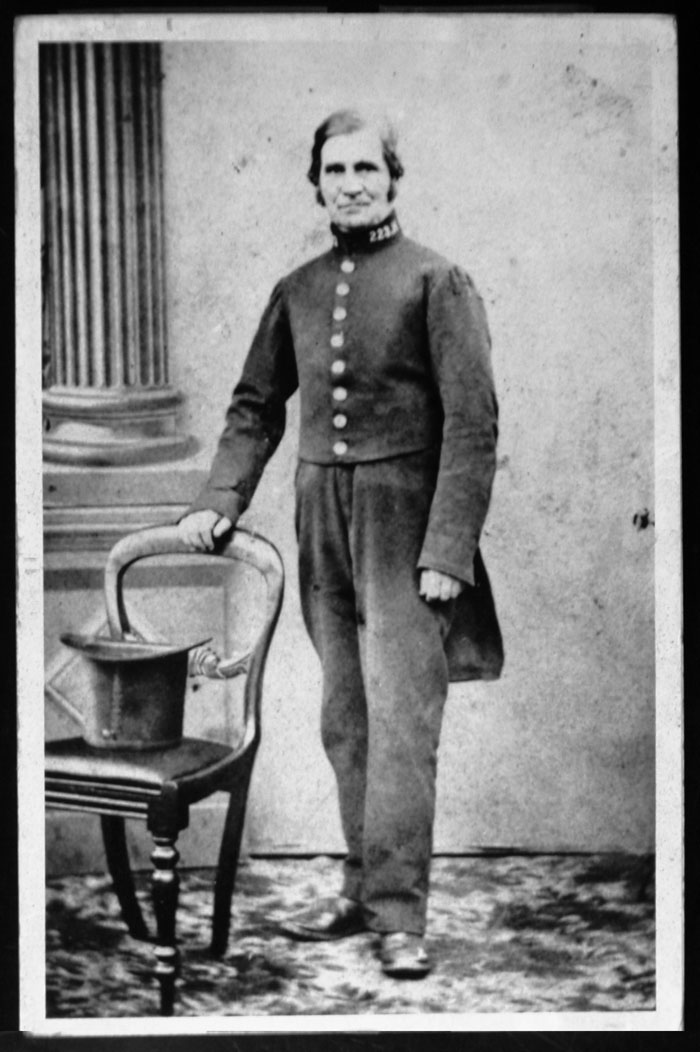
London Police Uniform 1829

London Police Uniform 1829

To help people accept this new form of policing, Peel’s model had several developments. These included police having no weapons except a concealed club and a rattle to attract attention; trying not to accept men of military rank or influence within the Government; and applying methods of crime prevention, rather than punishment. Police were assigned to a particular district, which was then divided into beats. A policeman would get to know his beat, and this would help him detect crime. Regulations and manuals regarding civil policing duties were also published.  The distinctive police uniform functioned to make people aware of the police presence and minimise accusations of police acting as spies.    Police were also ordered to be civil towards all members of the public. This civility extended to the point of accepting ridicule without any argument. You can read more about the development of Peel’s police here.

Continue reading

Alcohol on the Goldfields

Where and what did diggers drink?

This blog was inspired by a speech given by our CEO, Dr Jeremy Johnson in April 2010 at  the University of Ballarat Beer Awards. The speech was based on research done by Sovereign Hill’s Senior Historian, Dr Jan Croggon. The speech was recorded and an audio file is available at the end of this blog.

The problem of alcohol and young men

Diggers of low degree, S. T. Gill. Gold Museum Collection

“Diggers of low degree”, S. T. Gill. Gold Museum Collection

The colonial government of Victoria was incredibly worried about alcohol on the goldfields. The population of Victoria before 1860 was mainly young men, and the authorities were concerned that over indulgence in alcohol could lead to a breakdown in law and order in the colony. For that reason an act was passed to prohibit alcohol from being sold on the goldfields. This act allowed for harsh penalties if you were caught manufacturing or selling liquor.  A first offence carried a £50 fine, whereas threatening with a pistol might only incur a fine of £5. The Act was policed by plain clothes men, who were given half of the £50 fine for a first offence, and then, because a second offence brought months of hard labour, and no profit for the police, they resorted to blackmail, taking £5 whenever they felt like it.

Continue reading

Weird and wonderful goldfields history. Part one.

Animals

TigerDuring the Christmas school holiday period this year Sovereign Hill has focussed on some of the strange but true stories of the Ballarat gold rush period. These have included stories about a deep sea diver, zebra, tiger and diggers dressed as women.  As entertaining as these weird and wonderful stories have been, we must remember that as a museum it is our responsibility to be as accurate in our portrayal of goldfields’ history as possible.

ZebraFor that reason all of these activities had to have some basis in fact, and this makes the stories even better. In this Blog we will explore two of these activities and the amazing true stories that they are based on.

Continue reading

Gold Rush Undies: Women’s fashionable underwear in the 1850s

Women’s Underwear

As there has been so much interest in our fashion blogs, we have decided to include another fashion post.

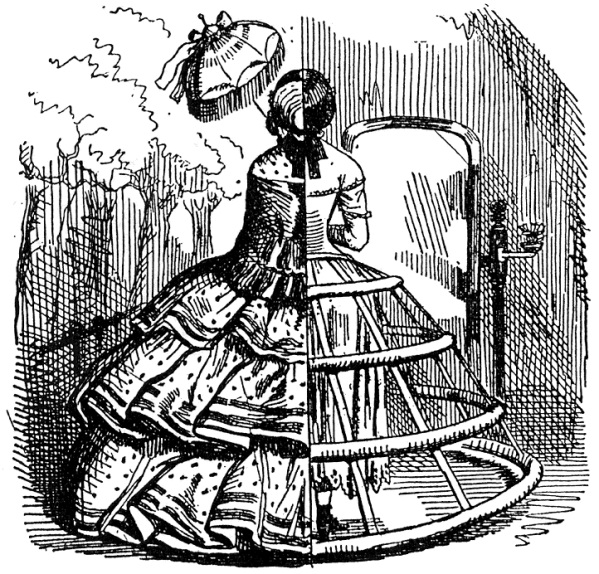
Cutaway diagram showing underclothes

Cutaway diagram showing underclothes

What did women wear under their beautiful dresses? The dressing regime of a lady would be seen as incredibly tiresome by today’s standards. Because the fashions came from Europe, the clothing would have been terribly warm and claustrophobic in the Australian climate. Let’s explore the stages of layering required to achieve the desired result for the fashion of the day.

Continue reading

Goldfields Immigration

Ballarat’s Scottish Heritage

This blog post has been summarised from notes by Sovereign Hill’s senior historian, Dr Jan Croggon on the Scottish in Ballarat. We would like to thank Jan for her contribution and hope she has more to share with us in the future.

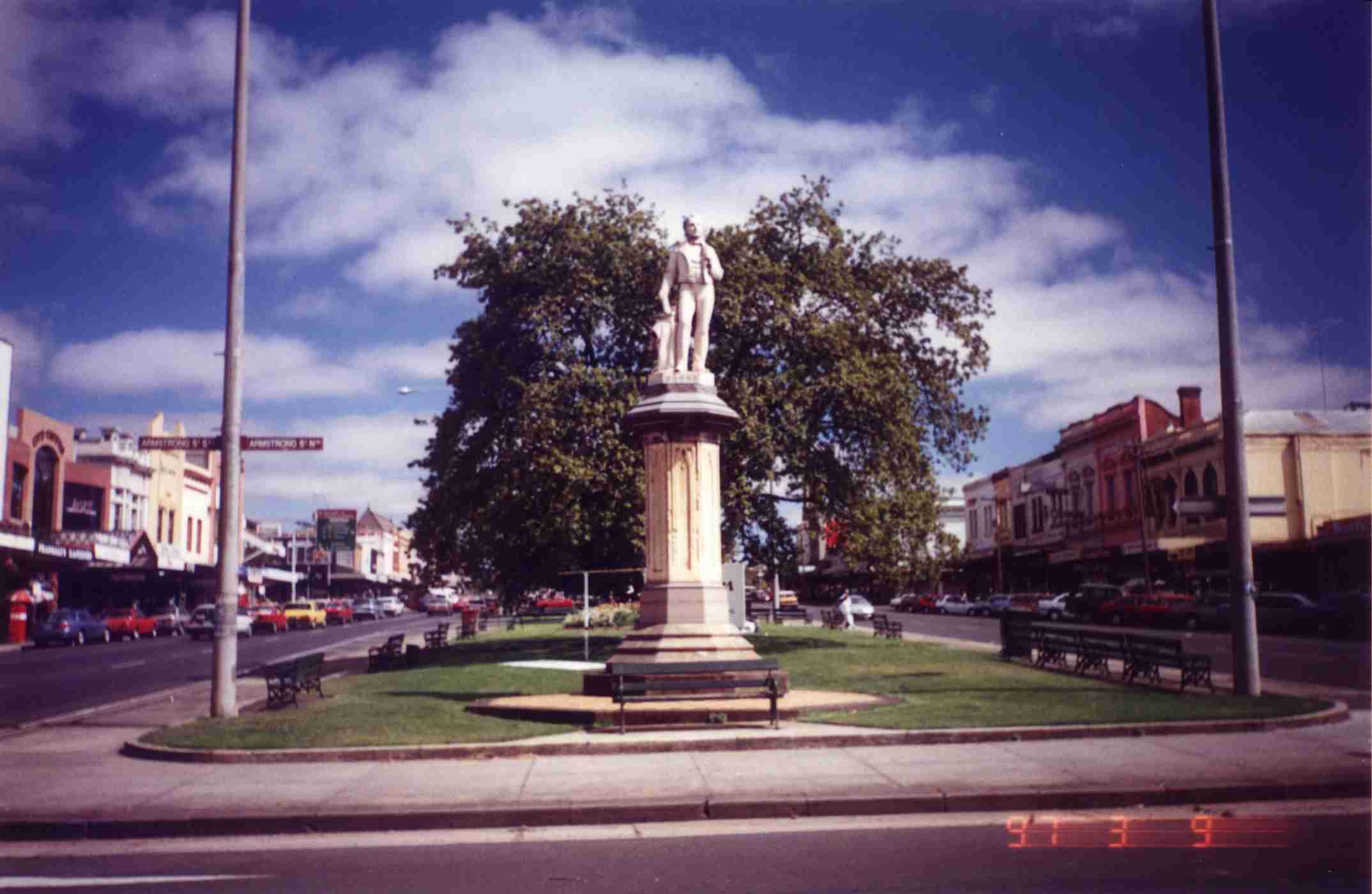
Statue of Robert Burns, Scottish poet. Sturt St Ballarat

Statue of Robert Burns, Scottish poet. Sturt St Ballarat. Gold Museum Collection

Nineteenth century Scotland was at the heart of the massive Industrial Revolution which transformed Britain, and which largely created the population pool which travelled to the Antipodes in search of gold and a new life.

EMIGRATION TO AUSTRALIA

The characteristics of the Scots who emigrated to Ballarat can be understood more clearly if regarded in the light of the world from which they came. Poverty, famine and epidemics in Scotland in the 1820s and 1830s caused the first significant Scottish emigration to Australia. Victoria was the most popular colony in which they settled. Scottish squatters and rural workers established farms, and urban settlers worked as skilled artisans and professionals.

In the Victorian census of 1854, Scots were the third largest group after the English and Irish, with 36,044 people. Within three years a further 17,000 had arrived, many hoping to make their fortunes on the goldfields. Immigration assistance schemes also swelled the number of Scottish arrivals. By 1861 the Scotland-born population of Victoria reached 60,701 – the highest level it would ever reach.

Continue reading

The Industrial Revolution in Australia: Part 2

Ballarat and the Industrial Revolution

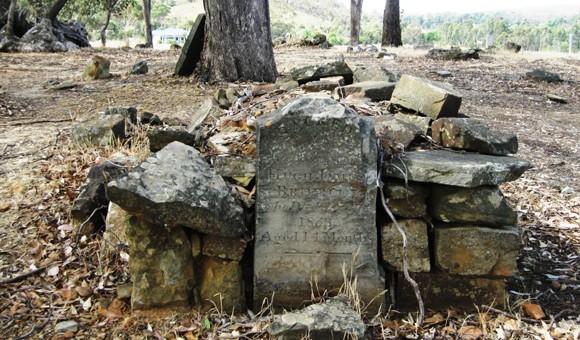
Pennyweight Gully, near Castlemaine. Taken by Marion Littlejohn

Pennyweight Gully, near Castlemaine. Photo taken by Marion Littlejohn

Many townships sprang up during the Gold Rush era of Colonial Victoria, but many of these towns withered and died as soon as their gold ran out, to the point that many are now ghost towns. However there are several exceptions to that. Many prosperous Central Victorian towns can trace their beginnings back to the discovery of gold. Towns such as Stawell, Ararat, Maryborough, Castlemaine and St Arnaud were larger at the time gold was being mined, but they still survive decades, even a century after the gold ran out. Ballarat and Bendigo are today major regional centres, and although there are still gold mines in or near both, they do not rely on gold to continue to grow. So what are the things that decided whether a town would grow, survive or die after the gold ran out? We think the answer involves the Industrial Revolution in Australia.

In our previous post on the Industrial revolution in Australia, we discussed how the people coming to the goldfields brought the knowledge and skills of the Industrial Revolution, and very soon were putting this knowledge to practical use in the search for gold. Here at Sovereign Hill we have many examples of these technological advances, and the benefits and/or downfalls of the use of machinery in gold mining. More importantly we also have some examples of steam technology being used for purposes not directly linked to finding gold. It is these other industries that give us the clue as to why Ballarat thrived, but towns nearby (Clunes, Smythesdale, Creswick etc) struggled after the gold mining phase of our history dwindled.

Continue reading

What was eaten on the Goldfields; part 2

Recipes of the Bush

“Damper and Mutton”

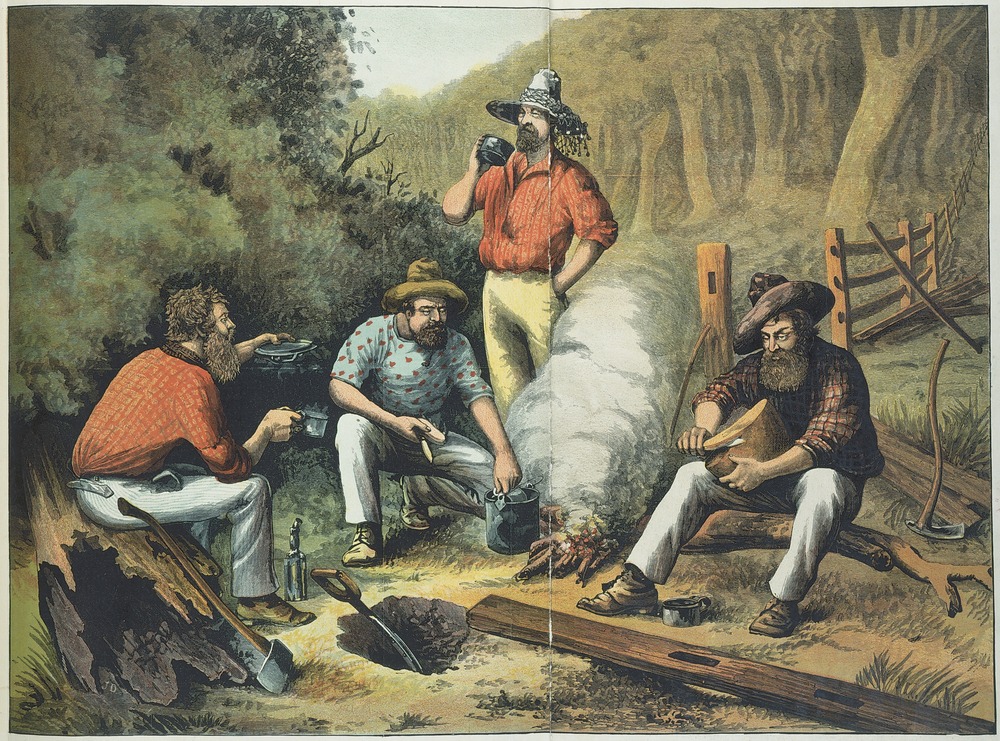
“Tea and Damper” by A . M. Ebsworth. From Digital Collection of the State Library of Victoria.

“Tea and Damper” by A . M. Ebsworth. From Digital Collection of the State Library of Victoria.

Following a previous blog post, we have tried to find a few examples of recipes from the gold rush period of our History. Robyn Annear (Nothing But Gold, 1999), says that one who lived through it called the early years of the Gold Rush (1851-1853) the “damper and mutton stage of the colony”. The foods most readily available were sheep (mutton) from the squatters and flour, sugar, tea and dried fruit as these would not go off quickly. This brings us to our first recipe – damper.

Damper and its variations.

This explanation is from James Bonwick, quoted in Nothing but Gold (1999);

Taking a washing tin dish, and clearing off the dirt a little, six or eight pannicans of flour are thrown in; a half table spoonful of carbonate soda, the like quantity of tartaric acid (together these are Baking Powder, sort of), and a spoonful of salt are then mixed together in a pannican and then well mingled with dry flour. Water is then poured in, the whole thoroughly knuckled, rolled into a good shaped loaf, and tumbled at once into the warmed camp oven. Fire is applied beneath and a couple of hours or less will turn out a loaf fit to be set before a queen.

Continue reading

Household Arts of the 1850s: A personal experience part 3.

The Woman of the Hill part 3.

Jenni enjoying a lighter moment from her stay

Jenni enjoying a lighter moment from her stay

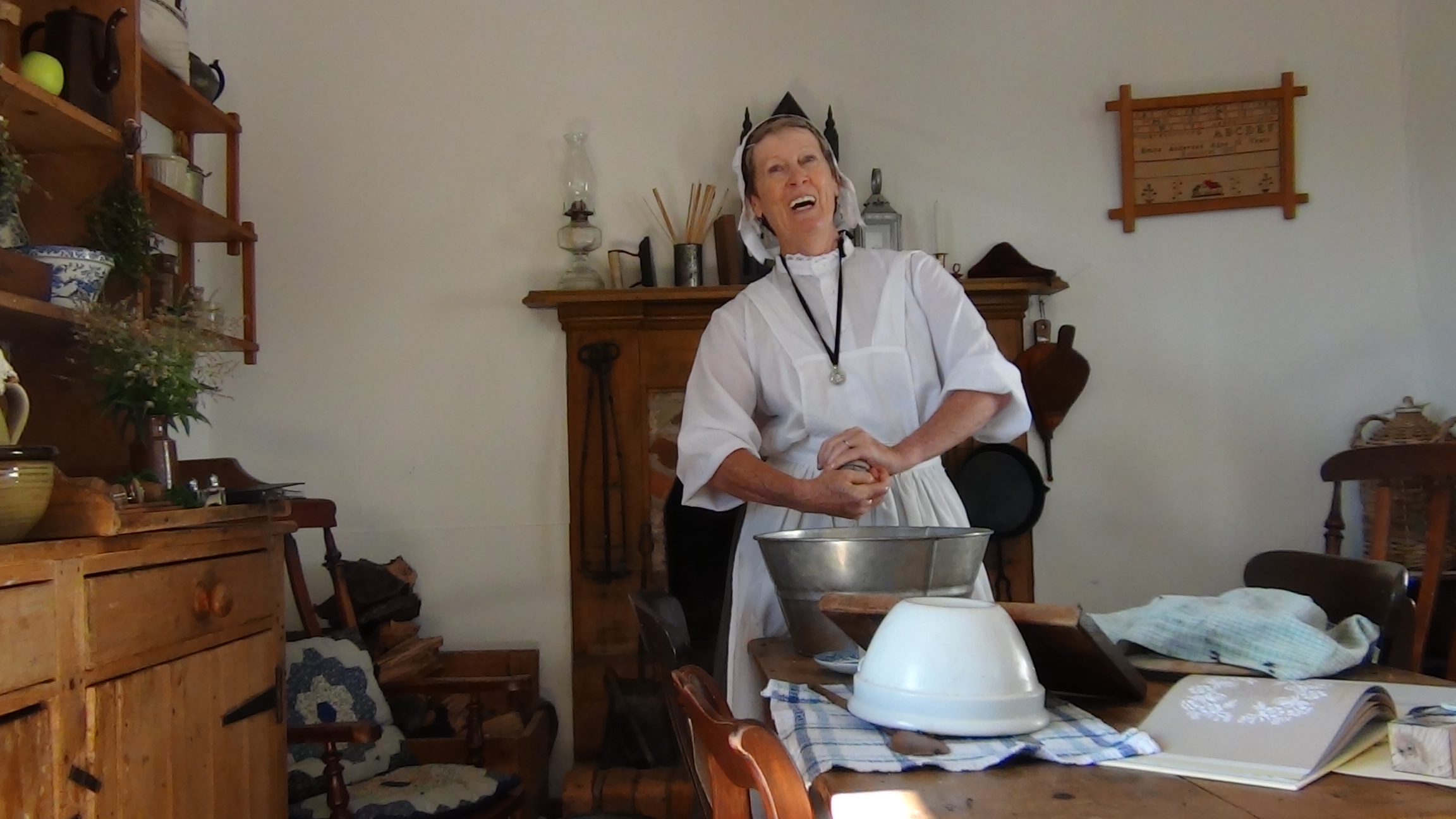
Our intrepid volunteer, Jenni Fithall, has completed her three days and two nights living in one of the cottages at Sovereign Hill Outdoor Museum.  During her stay approximately 3800 visitors, including about 1500 school children  came to Sovereign Hill. Many of these visitors and children visited Jenni in her cottage, so apart from living as a woman of the 1850s, Jenni also had to contend with a multitude of questions, photo opportunities and a constant stream of people walking through her little two room cottage. Continue reading