Tag Archives: gold rush

It’s beach time!

As this blog already contains several posts about the history of Christmas, this festive season we have decided to explore the history of beach holidays!

1

An early bathing machine.

Bathing in the ocean became popular in Europe in the 1700s, before Australia was colonised by Britain. Both immersing yourself in the water and drinking sea water were considered to cure all kinds of illnesses. As a result, many of Europe’s rich and powerful would spend a “season” at the seaside, bathing most days using a bathing machine. Believe it or not, winter was considered the best time to do this.

2

Ladies “Bathing Dress”- 1858, from the magazine Harper’s Bazaar.

A bathing machine was a hut on wheels in which people changed into their swim suits. This carriage-type contraption was then pushed into the water (using man power, horse power or sometimes even steam power) so the bather could step out and immediately lower themselves into the water. Some bathing machines had tents that would extend out and enable bathers to enter the water in complete privacy, while some came with “dippers” or “bathers”. These were attendants of the same sex as the bather who would dunk you underwater the correct number of times to cure whatever illness you had been diagnosed with.

Queen Victoria’s husband Prince Albert believed that sea bathing was beneficial to one’s health, and in 1846 he had a bathing machine installed on the beach near their summer palace on the Isle of Wight. Victoria and her daughters regularly used the bathing box to enjoy the water. The queen’s bathing box, used to preserve her modesty, is now fully restored and on public view.

3

Queen Victoria’s bathing machine has a veranda at the front where curtains concealed her from view whilst she bathed. Inside is a changing room and a plumbed-in toilet. The whole contraption was run into the sea from the beach along a long ramp, and pulled back using a wire rope and winch!

By the 1850s, when gold was discovered here in Ballarat, dippers had gone out of fashion. However, people continued to visit the seaside especially after train travel made reaching the beach cheap and convenient.  Some historians think that the main motivation now was pleasure and holiday making although many people still believed a visit to the seaside was good for your health. By this time people were going to the beach during summer rather than winter.

Bathing soon became popular here in Australia although in some parts of the country it was banned during daylight hours up until 1902 because a wet woman in a swim suit was considered an indecent sight. Furthermore, some men were said to enjoy swimming naked, so you definitely couldn’t do that in public.

4

St Kilda Esplanade, main beach (1864).

The St Kilda Sea Baths were opened in 1860 to take advantage of the popular seaside excursion trend. These enclosed sea baths were thought to keep bathers safe from Australia’s scariest sea creatures. However, even before the baths were built, St Kilda was a popular swimming spot. In the 1840s it already had bathing boxes (bathing machines with their wheels taken off), and by 1854 Captain Kenney had deliberately sunk a ship just off the beach and put out ropes to it for people to swim along. Once the St Kilda train station was opened in 1857 more sea baths opened and regular swimming competitions were held. As businesses, the baths were not the financial success the owners hoped as the majority of visitors to St Kilda soon became confident to swim in open water.

Since these humble beginnings, going to the beach has now become a normal part of Australian life. Most Australians live on or near the coast, and some of our beaches like Bells in Torquay, Bondi in Sydney and the Gold Coast near Brisbane are considered to be among the best in the world. Interestingly, having tanned skin was avoided by European women during the nineteenth century, as it showed you were poor and had to work outdoors like a peasant.

Like swimming, the history of swimwear is also fascinating, read all about it here. Enjoy the summer sun and happy holidays!

Links and References

The history of sea bathing: http://en.wikipedia.org/wiki/Sea_bathing

19th century bathing history: http://consideringausten.wordpress.com/2014/04/12/so-you-want-to-go-swimming-in-regency-england/

18th and 19th century bathing history: http://www.messynessychic.com/2014/04/15/victorian-prudes-beachside-bathing-machines/

History of St Kilda Baths, Melbourne: http://www.stkildaseabaths.com.au/history

History of sun tanning: http://www.skincancer.org/prevention/tanning/tale-of-tanning

Alcohol on the Goldfields

Where and what did diggers drink?

This blog was inspired by a speech given by our CEO, Dr Jeremy Johnson in April 2010 at  the University of Ballarat Beer Awards. The speech was based on research done by Sovereign Hill’s Senior Historian, Dr Jan Croggon. The speech was recorded and an audio file is available at the end of this blog.

The problem of alcohol and young men

Diggers of low degree, S. T. Gill. Gold Museum Collection

“Diggers of low degree”, S. T. Gill. Gold Museum Collection

The colonial government of Victoria was incredibly worried about alcohol on the goldfields. The population of Victoria before 1860 was mainly young men, and the authorities were concerned that over indulgence in alcohol could lead to a breakdown in law and order in the colony. For that reason an act was passed to prohibit alcohol from being sold on the goldfields. This act allowed for harsh penalties if you were caught manufacturing or selling liquor.  A first offence carried a £50 fine, whereas threatening with a pistol might only incur a fine of £5. The Act was policed by plain clothes men, who were given half of the £50 fine for a first offence, and then, because a second offence brought months of hard labour, and no profit for the police, they resorted to blackmail, taking £5 whenever they felt like it.

Continue reading

The Walk from Robe: Retracing the Chinese Journey to the Goldfields

From Left; Oscar Zhang, Charles Zhang and Bill Moy From the CACSB

From Left; Oscar Zhang, Charles Zhang and Bill Moy From the CACSB standing in front of the Chinese Temple at Sovereign Hill

On the 15th of December 2013, Charles Zhang and his son Oscar will begin to retrace the footsteps of the Chinese prospectors, who travelled from Robe in South Australia to the Victorian Goldfields. The re-enactment is planned to take 15 days, with Charles and Oscar travelling approximately 35 kilometres per day. Before they leave Ballarat on their way to Robe, Charles, Oscar and Bill Moy visited the Chinese Temple at Sovereign Hill to ask for permission and good fortune from their ancestors during their adventure. Their walk from Robe to Ballarat will also end at Sovereign Hill on Saturday the 28th of December. Charles Oscar and Bill are all members of the Chinese Australian Cultural Society of Ballarat (CACSB). Interestingly they represent different generations of Chinese immigrating to Ballarat. Bill’s Ancestors came to Ballarat during the Gold Rush. Charles and Oscar represent more recent arrivals to our city.

The Aim of the walk is to follow the route taken by the Chinese miners. Oscar and Charles will commemorate the contribution made by the Chinese gold diggers on the Central Victoria Goldfields, while promoting rural Australian towns and cities.

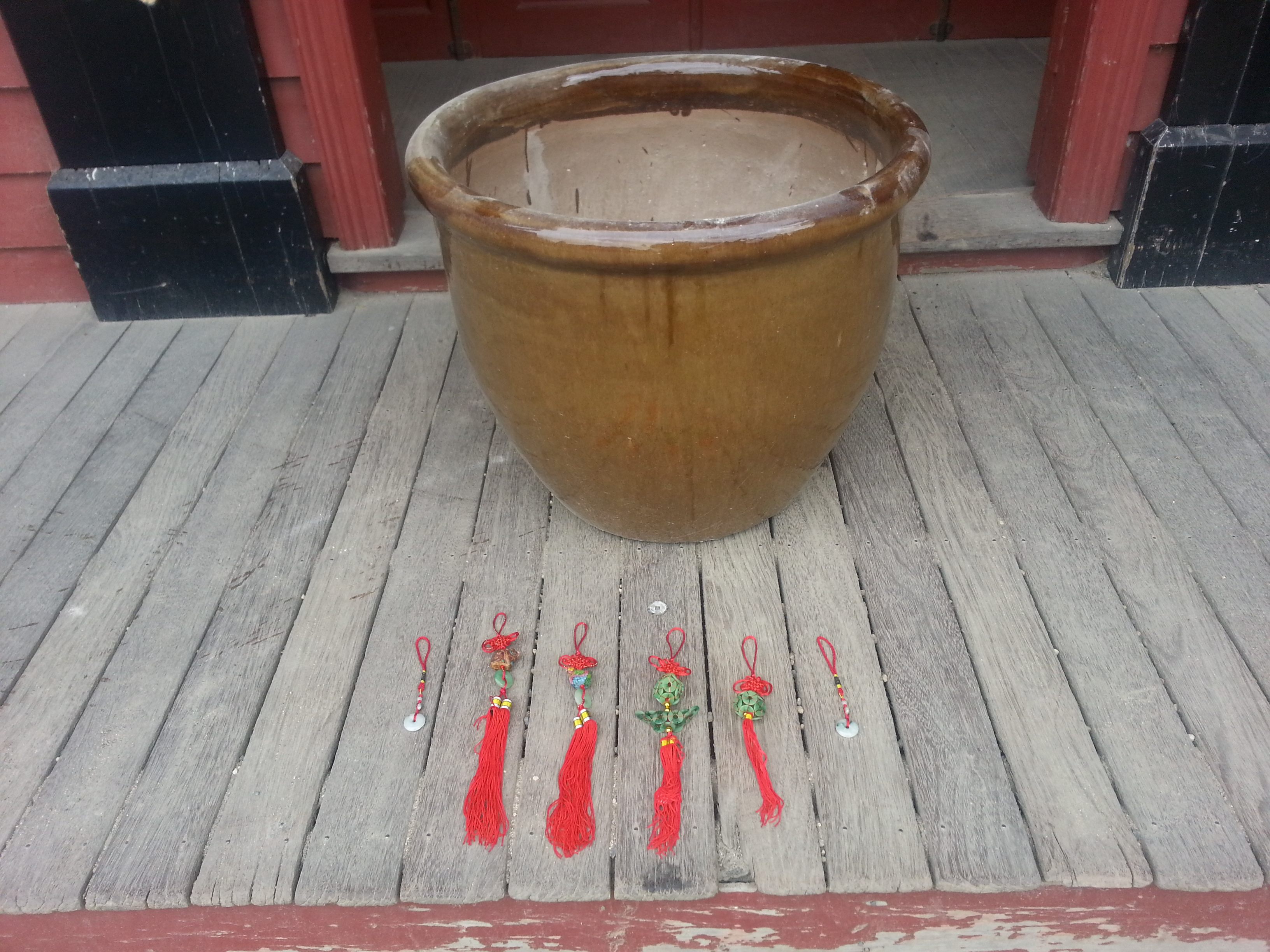
Pot for Incense burning with Jade talismans and a coin given to Charles with links to the Avoca Goldfileds. These will be carried on the journey.

Pot for Incense burning with Jade talismans and a coin given to Charles with links to the Avoca Goldfileds. These will be carried on the journey.

Regular details, stories & photos will be posted on the Chinese Australian Cultural Society Ballarat website: www.chineseballarat.org.au and Ballarat Community Radio Station 99.9 Voice FM: www.voicefm.com.au. We will also attempt to keep this post updated with information about the progress of the walk.

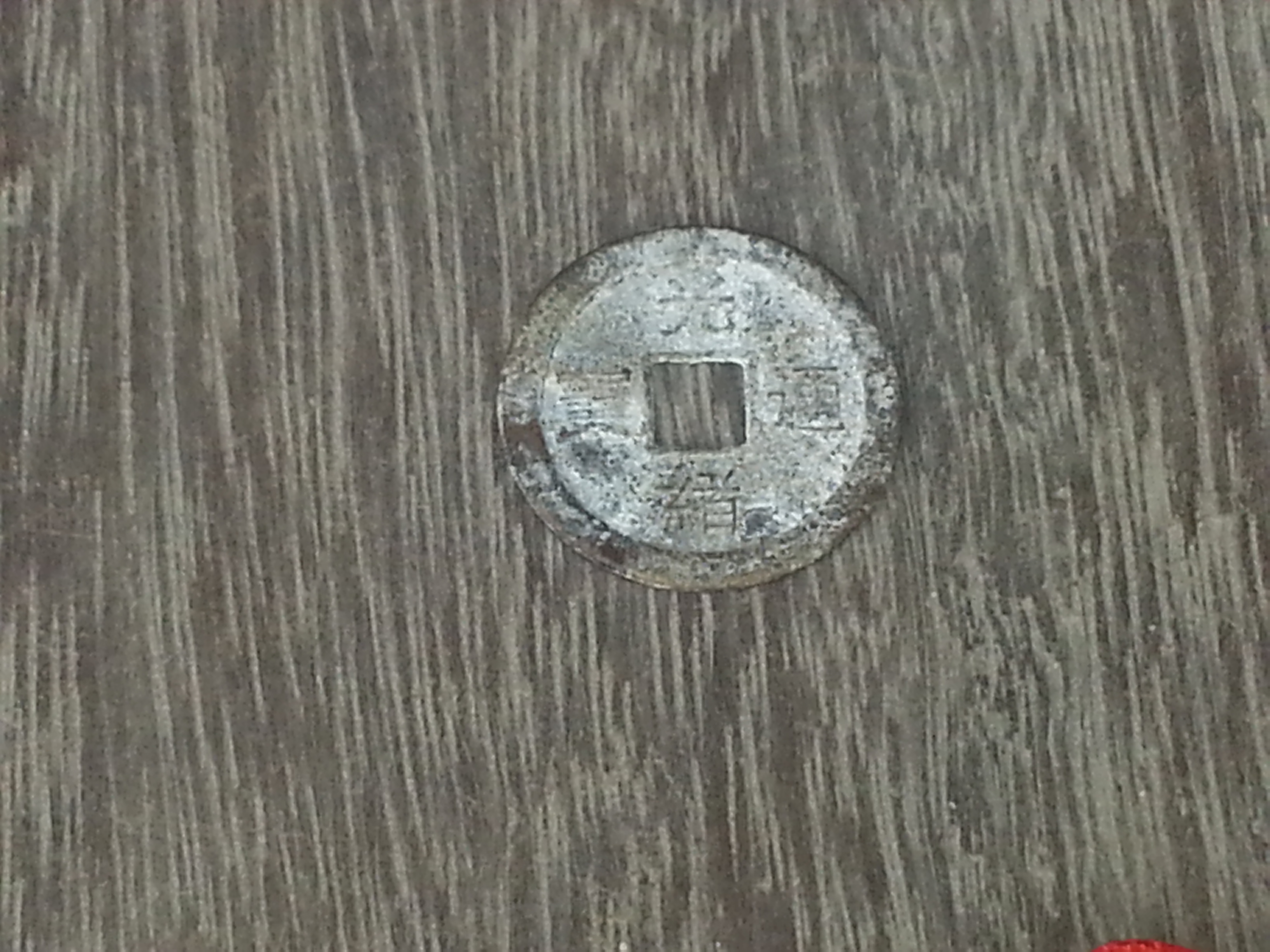
Chinese coin from Avoca

Chinese coin from Avoca

So keep coming back to follow our intrepid adventurers on their special voyage.

**Historical Note**

The Chinese were forced to travel overland from South Australia, due to an immigration tax imposed on them by the Victorian Colonial Government. The Government were concerned by the numbers of Chinese travelling to the goldfields, and tried using taxes to stop immigration from China. You can read more about this at Heritage Australia and our previous blog: Racism and Taxes: Life for the Chinese on the Goldfields

Continue reading

Indigenous Stories of the Goldfields

Exploration/Law and Order

This Blog may contain images and names of deceased people, it may also contain words and descriptive terms that may be offensive to Indigenous Australians.

Bushmans Hut by S. T. Gill.

Bushmans Hut by S. T. Gill. Gold Museum Collection.

Often the perceptions that are held of Aboriginal people during the Gold Rush period of Australian history were that; Aboriginal people were marginalised and only involved on the periphery of mining areas, that they did not understand what was happening and, the experience of Aboriginal people was very negative. Now a new book is casting a whole different perspective on Aboriginal involvement in Goldfields history. “Black Gold” by Dr Fred Cahir of the University of Ballarat provides a wider view of the contributions made by Aboriginal people during the Gold Rush era of Australian history. Dr Cahir gives specific examples to show the contribution to goldfields life by Aboriginal people, in exploration, and Law and Order in Goldfields society. Continue reading

Goldfields Medicine

Goldfields Doctors

Invalid Digger by S. T. Gill. Gold Museum Collection

Invalid Digger by S. T. Gill. Gold Museum Collection

We have had several requests for information on the doctors and medicines available to diggers on the Victorian goldfields. In this first blog post we will focus on the doctors and in the near future there will be another post on the Apothecarys and Pharmacists who delivered medical services during this era.

At the time of the Victorian gold rush, great leaps were being made in the advancement of medicine throughout the world. Some of the new innovations were a little slow to appear in this colony, but others were embraced quickly, as their benefits greatly improved the success of doctors to cure their patients.

Continue reading

Goldfields Immigration

Ballarat’s Scottish Heritage

This blog post has been summarised from notes by Sovereign Hill’s senior historian, Dr Jan Croggon on the Scottish in Ballarat. We would like to thank Jan for her contribution and hope she has more to share with us in the future.

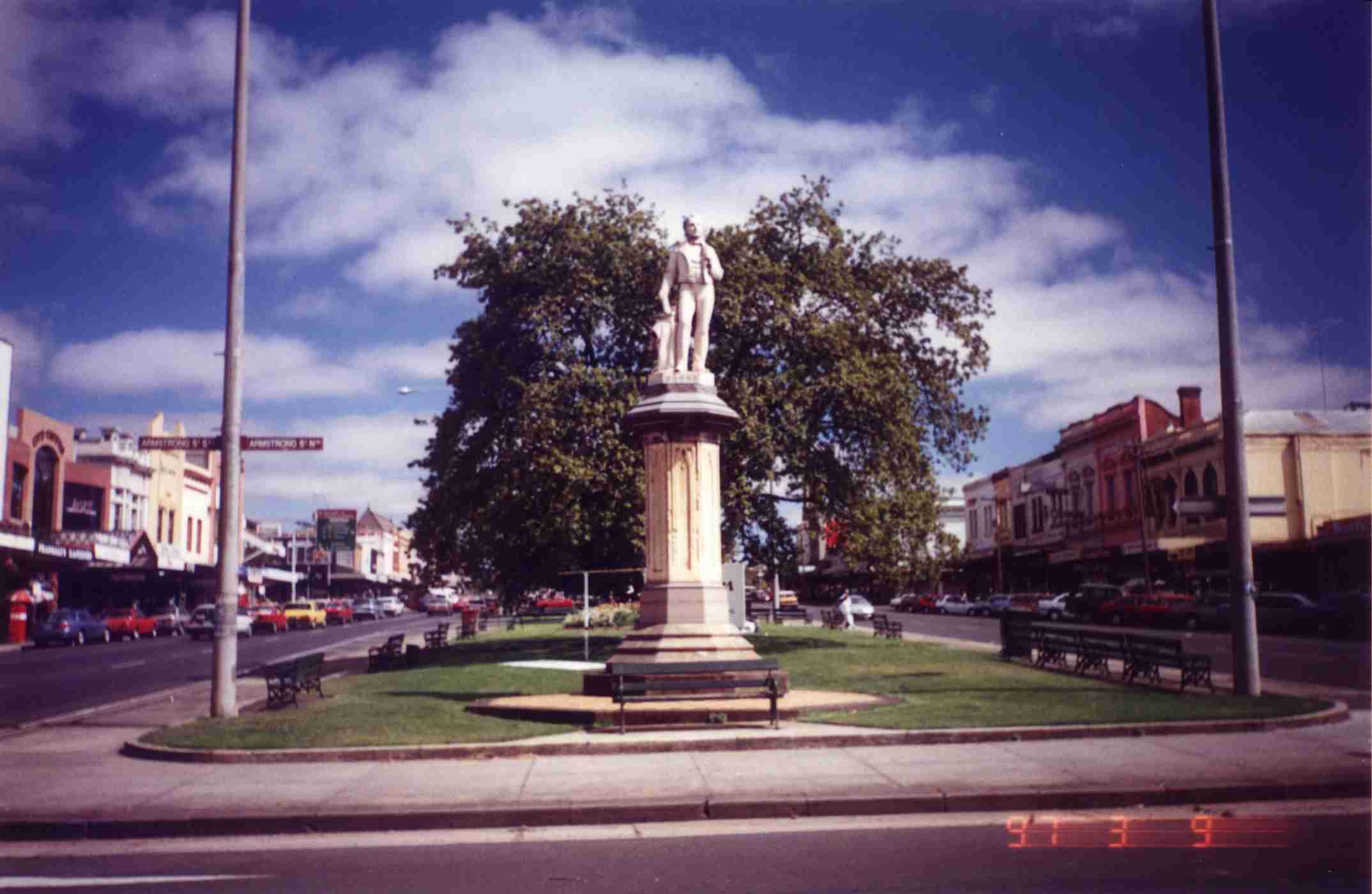
Statue of Robert Burns, Scottish poet. Sturt St Ballarat

Statue of Robert Burns, Scottish poet. Sturt St Ballarat. Gold Museum Collection

Nineteenth century Scotland was at the heart of the massive Industrial Revolution which transformed Britain, and which largely created the population pool which travelled to the Antipodes in search of gold and a new life.

EMIGRATION TO AUSTRALIA

The characteristics of the Scots who emigrated to Ballarat can be understood more clearly if regarded in the light of the world from which they came. Poverty, famine and epidemics in Scotland in the 1820s and 1830s caused the first significant Scottish emigration to Australia. Victoria was the most popular colony in which they settled. Scottish squatters and rural workers established farms, and urban settlers worked as skilled artisans and professionals.

In the Victorian census of 1854, Scots were the third largest group after the English and Irish, with 36,044 people. Within three years a further 17,000 had arrived, many hoping to make their fortunes on the goldfields. Immigration assistance schemes also swelled the number of Scottish arrivals. By 1861 the Scotland-born population of Victoria reached 60,701 – the highest level it would ever reach.

Continue reading

Goldfields Entertainment

Bowling Alleys on the Goldfields

Once again a question from a student has inspired an idea for this blog. A student from Wesley College, Clunes campus wanted to know more about bowling saloons on the goldfields, similar to Sovereign Hill’s Empire Bowling Saloon.

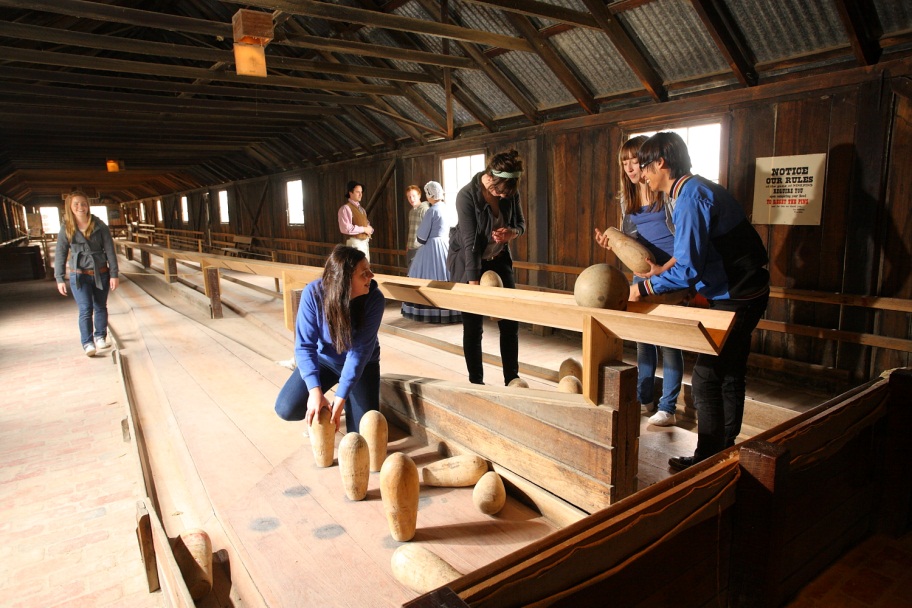
Re-setting the pins at Sovereign Hill's Empire Bowling Saloon

Re-setting the pins at Sovereign Hill’s Empire Bowling Saloon

This turned out to be quite a challenge, as there isn’t much information from the time about this sort of sporting or gaming entertainment. However, we have managed to find some information about them. Continue reading

Household Arts of the 1850s: A personal experience part 3.

The Woman of the Hill part 3.

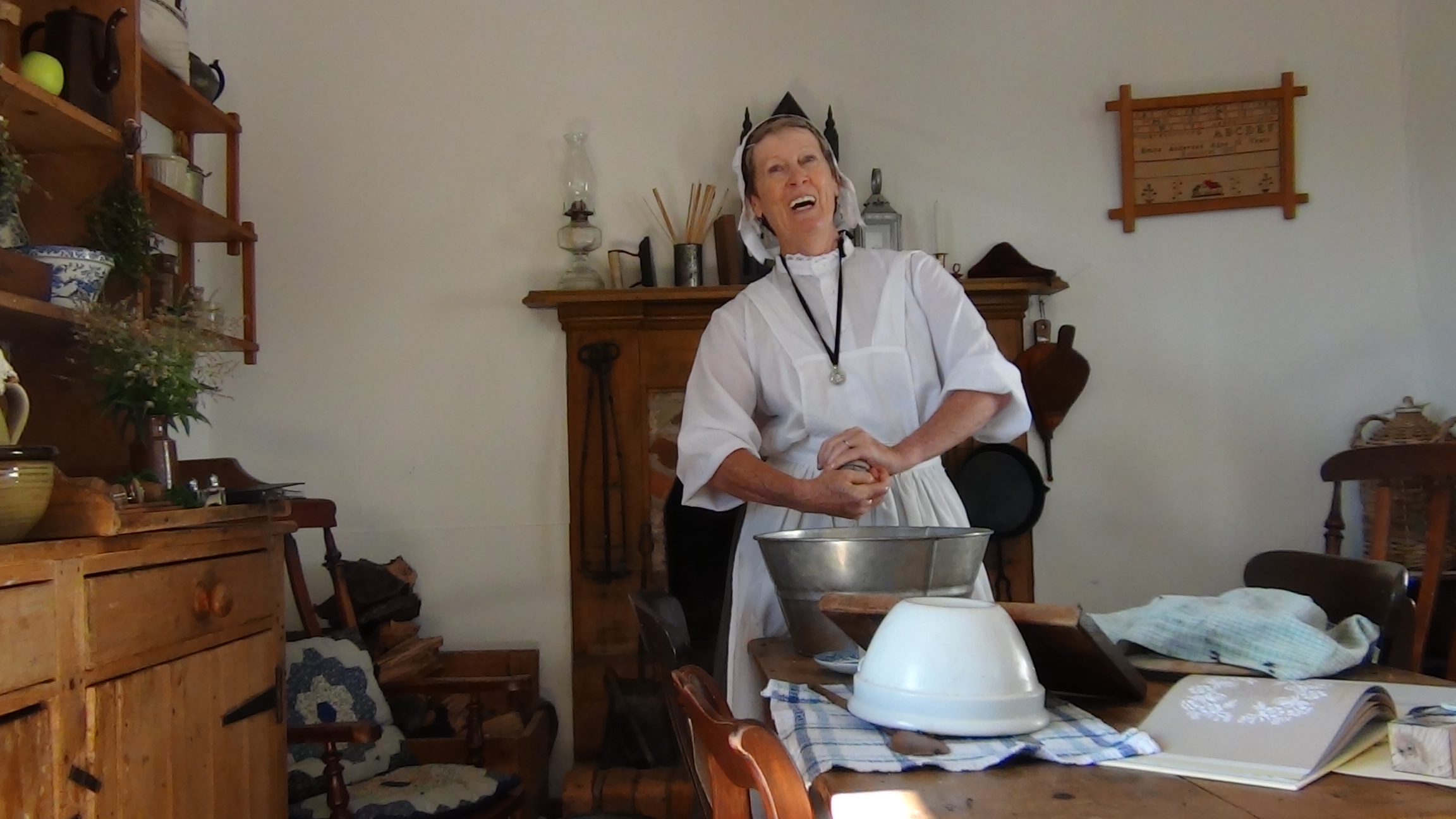
Jenni enjoying a lighter moment from her stay

Jenni enjoying a lighter moment from her stay

Our intrepid volunteer, Jenni Fithall, has completed her three days and two nights living in one of the cottages at Sovereign Hill Outdoor Museum.  During her stay approximately 3800 visitors, including about 1500 school children  came to Sovereign Hill. Many of these visitors and children visited Jenni in her cottage, so apart from living as a woman of the 1850s, Jenni also had to contend with a multitude of questions, photo opportunities and a constant stream of people walking through her little two room cottage. Continue reading