Tag Archives: history for kids

The Great Exhibition of 1851

GE1

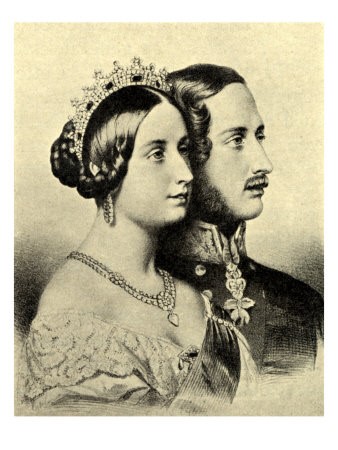
Queen Victoria and Prince Regent Albert.

There were many exciting events happening around the world in the same year gold was discovered in Ballarat. In 1851 powdered milk was invented, the New York Times newspaper was printed for the first time, the movement to end slavery in the USA was building in strength, and the famous novel about a white whale –Moby Dick– by Herman Melville was published. Louis Daguerre, the inventor of photography died in 1851, the Great Potato Famine in Ireland was at its deadly peak, and Isaac Merritt Singer patented the sewing machine, which radically transformed people’s lives. However, the biggest event, dominating newspapers the world over for nearly 6 months, was “The Great Exhibition of the Works of Industry of All Nations” held in London in 1851.

As the heart of the 1750-1900 Industrial Revolution, Britain by 1851 was the most powerful nation on Earth. Technological advances, in particular the invention of coal-powered steam engines which drove cotton mills, potteries, ships, and trains, had given Queen Victoria’s people cheap clothing and homewares, and access to all corners of the globe. What better way to celebrate Britain’s achievements than by holding a huge show of the latest local and international goodies and gadgets!

The idea for an exhibition came from the RSA (Royal Society for the encouragement of Arts, Manufactures and Commerce) and it was managed by Queen Victoria’s husband, Prince Albert. Many believed then, as many still do today, that the royal couple were visionaries. Prince Albert explained his motivation for The Great Exhibition:

We are living at a period of most wonderful transition, which tends rapidly to accomplish that great end – to which all history points – the realisation of the unity of mankind … Gentleman, the Exhibition of 1851 is to give us a true test of the point of development at which the whole of mankind has arrived in this great task, and a new starting point from which all nations will be able to direct their further exertions.”

Victoria and Albert believed they were leading the world towards peace, comfort and cooperation by celebrating technology through their Great Exhibition.

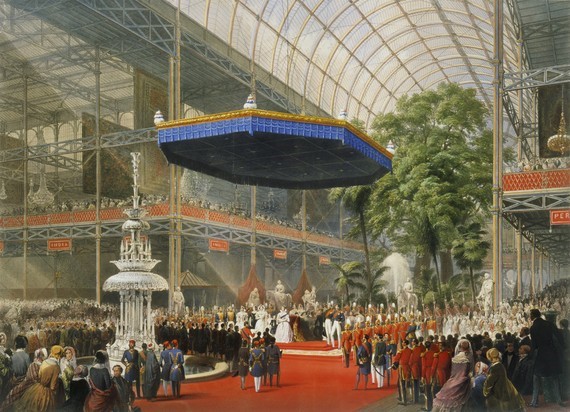
The first part of the plan was to design a grand building to showcase all of the world’s weird and wonderful inventions – Albert chose Sir Joseph Paxton’s design which was later dubbed “The Crystal Palace” because it was made of cheap cast iron and strong, cast-plate glass which had only been invented in 1848. This amazing structure was 1,851 feet long (equalling 564m) to celebrate the year of the Exhibition, and built in London’s Hyde Park. It was so cleverly designed that it was built over some huge trees, which provided shade – inside the building – on warm days. The Crystal Palace was easily accessed by visitors travelling on the new steam trains and as a result, over 6 million people (a quarter of England’s population!) attended this gigantic festival of all things machine and machine-made.
GE2

The State Opening of The Great Exhibition in 1851. Colour lithograph, England, 19th century. Victoria & Albert Museum.

Among the thousands of items displayed, visitors could see the cotton weaving looms that had transformed the manufacturing of clothing, gas cookers, fabrics of all colours and materials, farm equipment, electric clocks, newly discovered gold from Australia, a carriage drawn by kites, a ‘pocket’ knife with precisely 1851 blades, a submarine, a two person piano, miniature towns, giant diamonds from India, strange taxidermy, and fountains of perfume. Not only was this the first time such wonderful objects and inventions had been seen in public, for many people from the British countryside, this was their first visit to London. A visit which involved not only a train trip, but also seeing so many marvels of the modern world – this would have been a mind-blowing experience for many of Britain’s country folk!
GE3

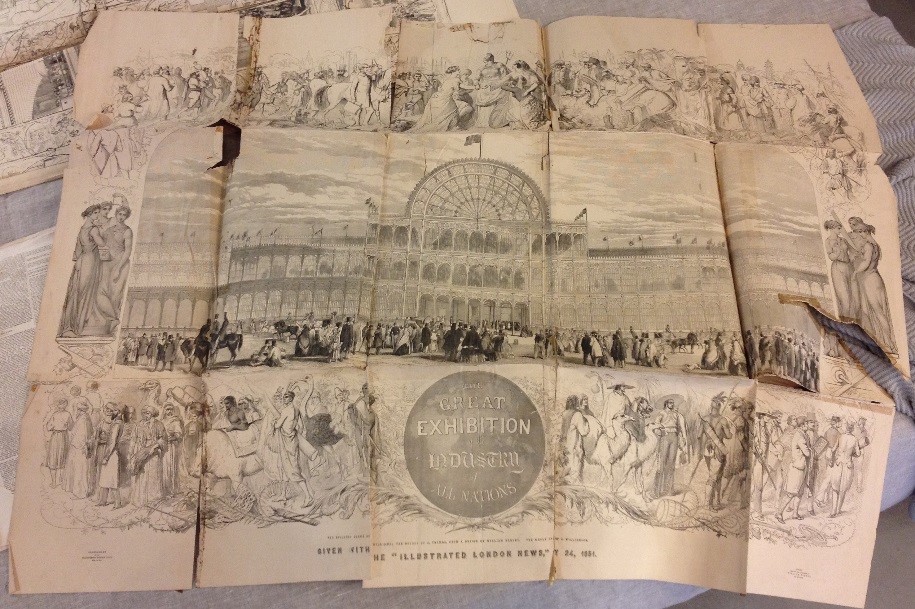
A Great Exhibition pull-out poster from the famous Illustrated London News, 1851.

On the topic of the Great Exhibition, the poet Lord Alfred Tennnyson wrote: … lo! the giant aisles
Rich in model and design;
Harvest-tool and husbandry,
Loom and when and enginery,
Secrets of the sullen mine,
Steel of the sullen mine,
Steel and gold, and coal and wine,
Fabric rough or fairy fine …
And shapes and hues of Art divine!
All of beauty, all of use,
That one fair planet can produce.

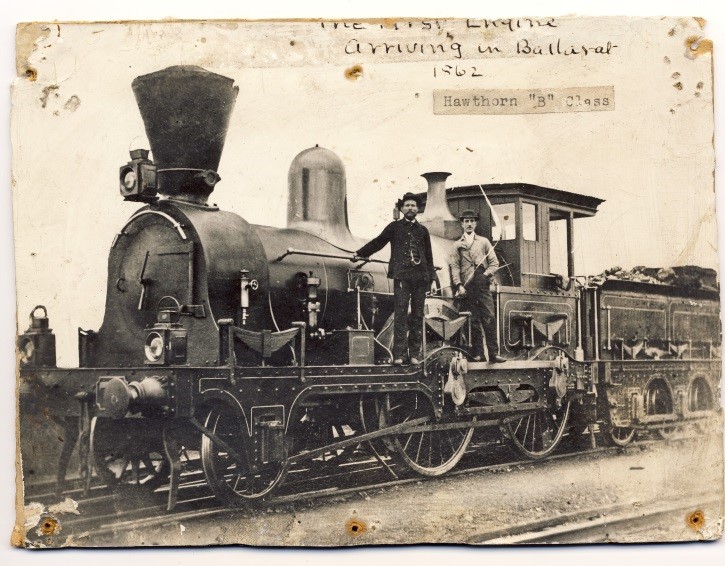
The Great Exhibition was such an incredible success that with the huge amount of money made from it, Victoria and Albert were able to set up The Natural History Museum, Science Museum and the Victoria and Albert Museum which to this day remain some of the most fascinating places to visit in London. The spirit of The Great Exhibition continued to encourage technological development: by 1862 steam trains linked Ballarat to Melbourne and Geelong, and not long after that Ballarat started building factories to create its own steam engines and machine parts (called foundries).
GE4

The steam train arrives in Ballarat! (1862) Australian steam trains can be identified by their strange conical chimneys, called “spark arrestors”, which stop the trains from starting bush fires. Ballarat Historical Society Photograph Collection.

Due in large part to the discovery of gold, Victoria’s population grew rapidly and people invested their gold money in industry and real estate. As one of the richest communities in the world, Victoria held an Exhibition in 1880 in the purpose-built Royal Exhibition Building (in Carlton next to the modern Melbourne Museum). It attracted around 1.5 million people at a time when Melbourne’s population hadn’t even reached 300,000.

Since 1851, many cities around the world have held international Exhibitions along the same lines as Britain’s, but none have rivalled it in size or legacy.

Links and References

Horrible Histories on The Great Exhibition and Victoria and Albert’s love for each other: https://www.youtube.com/watch?v=flaLHJCKy3I

These websites explain the major events of 1851: http://www.historyorb.com/events/date/1851 http://en.wikipedia.org/wiki/1851

Great student-friendly website about Queen Victoria: http://www.bbc.co.uk/schools/primaryhistory/famouspeople/victoria/

Wikipedia on The Great Exhibition: http://en.wikipedia.org/wiki/The_Great_Exhibition

Two great short videos about the Great Exhibition: https://www.youtube.com/watch?v=HRvOHOltp_w https://www.youtube.com/watch?v=eqM6PXyp5MA

Timeline of work undertaken by the Royal Society for the encouragement of Arts, Manufactures and Commerce: http://www.thersa.org/about-us/history-and-archive/rsa-history-timeline

Interactive game teaching about the Great Potato Famine: http://www.irishpotatofamine.org/flash.html

The history of international exhibitions: http://en.wikipedia.org/wiki/World’s_fair

A fantastic book all about The Great Exhibition is: http://www.crystalpalacefoundation.org.uk/shop/great-exhibition-1851/the-world-for-a-shilling 

1850s Transport

It is difficult to imagine life before cars, trucks, motorbikes and aeroplanes. Those who came to Australia during the gold rush however, travelled here, explored the place, and moved huge quantities of cargo long before the car, truck, motorbike and aeroplane were invented. How did they do it?

Let’s examine the journey of an imaginary gold miner who we will call Mr Yuilisses, or Mr Y for short, to better understand 19th century transport technologies.

The year is 1852. Like many well-educated young men, Mr Y has decided to try his luck on the Australian goldfields. He lives in the UK in the “cottonopolis” of Manchester, the first industrialised city in the world, where he has been studying canal engineering. The first part of his trip involves taking a train west to Liverpool (the Liverpool to Manchester Railway, opened in 1830, was the first intercity passenger rail line in the world). He says goodbye to his parents, who he is unlikely to ever see again, as for the majority of gold rush immigrants to Australia, this was a one way trip (Serle, The Golden Age, 1977, p. 382). He then boards a noisy, dirty, uncomfortable steam train. He decides not to get a first class ticket as he is saving his pennies for gold mining supplies. The train is still 5 times faster than getting to Liverpool by horse (Nicholson, Steam, Steel and Speed, 2008, p. 7). This relative ease of movement makes Mr Y very grateful for the Industrial Revolution!

1

Opening Liverpool and Manchester Railway, 15th September 1830. Most train carriages had roofs by 1852, but they weren’t much more comfortable than this.

After a freezing, windy journey in an open carriage he alights at Crown Street Station in Liverpool. Next, he has to organise a ticket for a ship to the Antipodes (Australia). He decides to travel on a “clipper” – a very fast, yacht-like sailing ship – and gets his equipment for the long journey in order. While basic rations (food/water) are part of the ticket price, Mr Y needs to take clothes and his own bedding. If he were a woman and mother he would probably think to take some seeds or fruit tree seedlings to make sure his family are fed once they settled on the goldfields. However, Mr Y is going by himself, so he is more focused on gold than food and knows there will be plenty of mutton to be eaten in the new state of Victoria (only made separate from NSW in 1851). After all, until gold was “discovered” (by non-Aboriginal people) in 1851, Victoria’s main export was wool from the 5 million sheep farmed across the state.

2

An 1855 poster advertising the Red Jacket clipper ship.

If Mr Y were extremely lucky, the clipper would take him from Liverpool to Melbourne in as little as 3 months. If he bought the cheapest ticket – in steerage, below the waterline at the very bottom of the ship – he not only risked his life through exposure to unhygienic conditions, but also a lack of air and potentially days of total darkness if the weather turned bad. Rarely were people in steerage class allowed to use candles or oil lamps in their highly flammable environment, even when the hatches were battened down (the openings in the deck for ventilation/sunlight were closed during storms). Buying a first class ticket didn’t make the journey much more comfortable. Read more about the horrendous conditions on 19th century sailing ships here and here.

When Mr Y arrives in Melbourne having survived his trying journey via the Great Circle Route (one of the most dangerous parts of which was Victoria’s Shipwreck Coast– where 638 ships are known to have sunk!), safe and scurvy-free thanks to all of the lime juice he drank and pickled cabbages he ate (an idea of British Navy surgeon James Lind), everything in 1852 Melbourne costs a fortune! A bed for the night, supplies to take to the goldfields, even the cost of clean water was a rip-off… Of course the reason these “goods” (products) were so costly, was because most had made the long, expensive journey from the UK to the Australia just as he had. Little did Mr Y know such things were even more expensive on the diggings! Once he had stocked up on tent canvas, a mattress, a shovel, gold pans and a wheelbarrow, he would investigate how to get to Ballarat, and if indeed that was a good goldfield to venture to. In 1852 there was much talk among the people at the port that Ballarat’s gold had run out, and that the Bendigo Creek was a better bet. But who could you trust for such advice? If he selected Ballarat the journey could be shortened by taking a “steamer” (boat) from Melbourne to Geelong, which only takes half a day and shaves 3 days off the walk, but again the tickets were quite expensive.

3

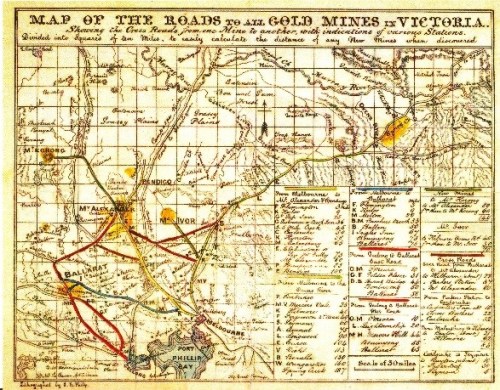
Map of the Roads to all gold Mines in Victoria, lithograph by J.B. Philp, 1853.

Our brand new, inexperienced gold miner Mr Y decides to head to Ballarat after all, and early the next morning he sets out with many others making the same journey. His expensive mattress becomes waterlogged after a big storm on the first day of the 113km walk, so he decides to abandon it along with the hundreds of other pieces of broken, spoiled, or foolishly heavy equipment others before him have dumped along the way. He wishes he had paid the ridiculous price to travel by wagon (or at least have his belongings sent by bullock dray) but the price was far too high. He had heard that the journey by wagon is so bumpy that most people end up walking anyway, as the jarring motion of the wagon makes many “seasick”.

While there is no actual road to the diggings of Ballarat, there is already a well-worn path that takes Mr Y past beautiful eucalypt forests, the likes of which he has never seen before. It takes him over hills and creeks (which he has heard are sometimes so deep and dangerous on the road from Geelong to Ballarat that you have to pay the local Aboriginal People to make bark canoes to get your mining gear across), and eventually he arrives within earshot in Ballarat on day 3 of his journey. He can barely sleep for all of the exciting noise he can already hear coming from the goldfield, now little more than a few miles (kilometres) away. If he had approached Ballarat from Geelong he would be staying in Mother Jamieson’s Inn just south of Mt Buninyong (in 1849 this was the “the busiest town in Victoria outside Melbourne and Geelong”), but instead he’s sleeping under the stars (close to the town we now know as Ballan), yet again.

4

William Strutt, En route to the diggings, pencil and watercolour, 1851. Reproduced with the permission of the Victorian Parliamentary Library.

Mr Y finally arrives at the Ballarat diggings, and looks in wonder at the tent city in front of him, bursting with adventurers from all over the world. He lives in a tent for the first few months, then a slab hut, and then, once he finds a large gold nugget, he builds a house and gets married. Up until this point, his only means of transport around Ballarat has been his own two feet, but now he can afford to buy a horse to help with his mining work and deliver his children to school.

Horses were incredibly useful on the goldfields for both transport and work. Apart from being used to move people and cargo, they could also be attached to whims, Chilean mills and puddling machines to extract gold from mud, clay and rock. However, horses are dangerous, and back then were responsible for many deaths and injuries, and are still the most likely animal to kill you in Australia! In the 1860s, camels were imported to Australia for Burke and Wills ill-fated expedition, but there weren’t any in Ballarat at this time. As far as we know Ballarat has never had a resident camel!

After an exciting life of adventure, pioneering, and hard work to secure his family’s comfort, let’s imagine Mr Y dies in 1885, one year before the first car was invented. His great-grandchildren living in Ballarat would become the first of his descendants to own cars, as cars didn’t become popular and affordable here in Australia until well into the 20th century.

Links and References:

Sovereign Hill Education: Transport in the 1850s, Research Notes for secondary school students: http://education.sovereignhill.com.au/media/uploads/sovehill-pdf-file/SovHill-transport-notes-ss1.pdf

Horrible Histories on the pioneers of transport: https://www.youtube.com/watch?v=NLL2Txs8kCg

SBS Gold on goldrush transport: http://www.sbs.com.au/gold/story.php?storyid=18

Clipper ship routes and records: http://en.wikipedia.org/wiki/Clipper_route

A fantastic blogpost about 1850-1870 ocean journeys to Australia: http://museumvictoria.com.au/discoverycentre/websites-mini/journeys-australia/1850s70s/

Another which is terrifying!!: http://museumvictoria.com.au/discoverycentre/websites-mini/journeys-australia/1850s70s/privies-and-hygiene/

“See the Land from an Aboriginal Canoe” – Aboriginal bark canoe technology was in high demand in the 1800s: http://www.cv.vic.gov.au/stories/aboriginal-culture/seeing-the-land-from-an-aboriginal-canoe/seeing-the-land-from-an-aboriginal-canoe/

Is your train commute quicker now than it was 100 years ago? http://www.theage.com.au/victoria/is-your-train-commute-quicker-than-90-years-ago-the-answer-might-surprise-you-20150219-13gx1c.html

The history of Australian immigration: http://museumvictoria.com.au/discoverycentre/websites-mini/immigration-timeline/

Website on the last surviving clipper ship, City of Adelaidehttp://cityofadelaide.org.au/

An interesting article on scurvy: http://www.bbc.co.uk/history/british/empire_seapower/captaincook_scurvy_01.shtml

The introduction of cars to Melbourne: http://museumvictoria.com.au/marvellous/powered/car.asp

Henderson, W. F. and Unstead, R. J. Transport in Australia, A & C Black LTD., London, 1970.

Nicholson, John. Steam, Steel and Speed: Transport, Trade and Travel in Australia 1850s-1920s, Allen & Unwin, NSW, 2008.

Serle, Geoffrey. The Golden Age: A history of the colony of Victoria 1851-1861, Melb. Uni. Press, Vic, 1977.

Queen Victoria

statue

Statue of Queen Victoria in Sturt Street, Ballarat.

Queen Victoria ruled the largest empire in human history, and was Australia’s monarch during the gold rush. She ruled over 458 million people and was queen for a record 63 years! The people of Ballarat loved her so much that they paid for a marble statue of her to be made and placed it in front of the Ballarat Town Hall in 1900.

12 curious facts about Queen Victoria:

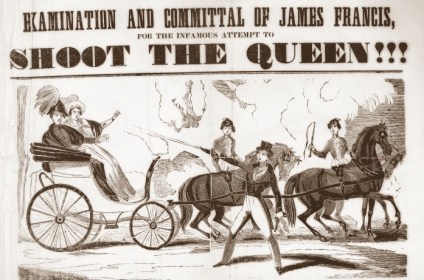
1. Queen Victoria survived 7 assassination (murder) attempts! She was so brave; after police failed to catch the second of these failed assassins on 29th May, 1842, she drove her carriage along the same road the day after the attack to tempt the man to fire his gun at her again. When he foolishly did, undercover policemen arrested him. Queen Victoria was unharmed, and the assassin, named John [James] Francis, was punished through transportation to Tasmania as a convict.

ass

Part of a ‘broadside’ (news poster) on Francis’ attempted assassination of the Queen, printed in 1842 by E. Lloyd.

2. Victoria wasn’t your ordinary 19th century woman. At a time when women were believed by most people in Europe to be weak and intellectually inferior to men, she became queen of a huge empire at the age of 18 and was one of the best educated people in the world (read more about this here). Very interestingly, Victoria asked Prince Albert to marry her, rather than the other way around. This was because nobody by law could ask the Queen to marry them. This situation would have been very uncommon during this era. Read more about life for the average Victorian woman here.

3. The political parties in England (the “Whigs” and the “Tories”) had a huge argument – called The Bedchamber Crisis – over who Victoria’s maids should be. Being close to a king or queen through helping to dress them, tutoring their children, or even cleaning their chamber pot was considered an extremely important political position, as such jobs gave you a lot of time to potentially talk to and influence the monarch.

4. During the height of the Irish Potato Famine (known in Ireland as The Great Famine or Great Hunger), despite anger from English Anglicans (Protestants), Queen Victoria donated £2,000 of her private wealth to help the suffering (Catholic) Irish. In modern money this would be about $2 million (Australian dollars).

dress

Queen Victoria in her famous white wedding dress.

5. Queen Victoria is believed to be the bride who popularised the white wedding dress. Before her wedding to Prince Albert in 1840, brides wore coloured dresses. As a keen supporter of British industry, Victoria wore a white, machine-made dress with handmade lace for trimmings, including her veil. Very soon after Victoria and Albert’s wedding, women all over the British Empire were wearing white to be married. Queen Victoria loved this dress so much that she often wore it, or parts of it at her wedding anniversaries, the baptism of her children, and later in life at her children’s weddings. When she died in 1901, she was even buried with her cherished wedding veil covering her face (along with a plaster cast of Prince Albert’s hand).

6. While Victoria was an intelligent, strong-willed woman who took a lead role in managing the British Empire during her time as queen, women couldn’t vote in Britain until long after her death, and she is thought to have been against the idea of female emancipation (women’s right to vote).

7. Queen Victoria was an only child, and had a difficult relationship with her mother who, many historians argue, wanted to control Victoria and thus keep royal power for herself.

8. Victoria and Albert had 9 children, naming them (in order) Victoria, Albert, Alice, Alfred, Helena, Louise, Arthur, Leopold and Beatrice. In total, they had 42 grandchildren. Their first grandchild, born to daughter Victoria (Jr) and her husband Prince Frederick of Prussia (Germany), was named Wilhelm and became the last German Kaiser (emperor) who is considered largely responsible for causing World War 1.

9. Victoria gave birth to her two youngest children under the influence of chloroform, which was really the first general anaesthetic. The church was not happy about her decision to have (and by way of her fame, promote) pain-free childbirth, as they believed it was against the teaching of The Bible. She didn’t listen; Victoria hated being pregnant, hated childbirth, is thought to have suffered postnatal depression, and didn’t breastfeed her own children. In her detailed diaries, she wrote “Being pregnant is an occupational hazard of being a wife”.

10. Until recent times, it was common for European royals to keep the power in the family so to speak. Queen Victoria’s husband, Prince Albert, was actually her cousin.

11. Victoria passed the haemophilia gene (which stops your blood from clotting, so you can bleed to death from a simple scratch) to many of her children and grandchildren.

pound

A gold sovereign (£1 sterling) from 1851, the year gold was discovered in Australia, featuring Queen Victoria’s profile.

12. The love of Victoria’s life, Prince Albert, died from typhoid at the age of 42 in 1861. Typhoid is a horrible bacterial infection which, without treatment causes a fever, digestive system failure, a rash, blood poisoning, and in many cases results in death. Antibiotics weren’t developed and made available until the 1940s, long after Alfred’s death. Victoria remained in mourning for the rest of her life, and wore black in memory of Albert until the day she died.

During Queen Victoria’s reign, Britain went to war with China twice (called the Opium Wars), primary education was made compulsory and free, vaccination against smallpox became compulsory, Prince Albert managed the hugely successful Great Exhibition of 1851, London’s famous underground railway – the Tube – was developed, the telephone was invented, the Irish Potato Famine occurred, and our state, Victoria (named of course after our beloved queen), became a separate colony. She lived and ruled the largest empire on Earth during a fascinating time in history!

Links and References

Child-friendly website about Queen Victoria: http://www.bbc.co.uk/schools/primaryhistory/famouspeople/victoria/

Horrible Histories on Queen Victoria: https://www.youtube.com/watch?v=flaLHJCKy3I

List of the largest empires in history: http://en.wikipedia.org/wiki/List_of_largest_empires

On assassin John Francis’ transportation to Tasmania: http://www.linc.tas.gov.au/events/featured/research/john-francis

Queen Victoria’s wedding dress: http://en.wikipedia.org/wiki/Wedding_dress_of_Queen_Victoria

Curious facts about Queen Victoria: http://www.history.com/news/5-things-you-may-not-know-about-queen-victoria

A timeline of Victoria’s reign: http://www.britroyals.com/kings.asp?id=victoria

Oh, Sovereign Hill is a museum!

lollies

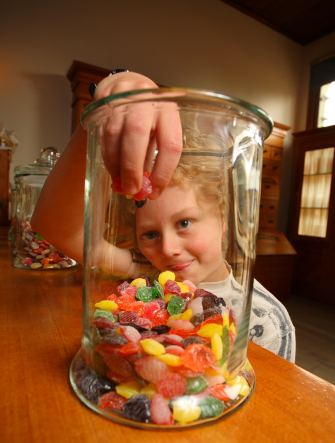
Hard-boiled lollies YUM!!!

Many of our guests – young and old – get confused about Sovereign Hill. Some people think that it is a theme park because panning for gold, eating lollies and riding in horse-drawn carriages is so much fun. However, Sovereign Hill is actually a museum, meaning it is a place where Ballarat’s history is studied, artefacts are collected, and Australia’s gold story is shared with visitors. Most museums tell their stories through displays in glass cases, but we teach visitors about the past through living exhibits.

Why does Sovereign Hill do this?

The first part of the answer challenges us to think about the purpose of studying history – why learn about the past? History helps us understand who we are; it explains why we speak the language we do, why we dress a certain way etc., and it also helps us understand the wider world and our place in it. It teaches us to avoid repeating the mistakes that others have already made, and to appreciate all of the good things about 21st century life. History also helps us see that there are other ways of living, of organising our society, of thinking about ourselves, and that things can and do change, sometimes for the better, sometimes for the worse. Also let’s not forget all of the weird and wonderful characters, events, technologies and fashions from the past that make people of all ages giggle and gasp!

Why is Sovereign Hill a museum with living exhibits such as costumed people, fragrant horse poo and a creek complete with real gold? Because we think this is the most engaging and exciting way to learn about history. When you step through our gate you are sent 160 years back into the past, to a world of dirty miners, daggy troopers (policemen), and impractically-dressed but pretty ladies in big crinolines. Instead of looking at a display in a glass case, you get to talk to our costumed staff to learn about the past – do stop to have a chat, they are all very friendly!

gold panning

“Eureka!! I found some gold!”

Play is another important part of our living museum – try your hand at gold panning, go bowling, or make a candle. You can also taste history here – try some goodies from the bakery, or a lolly, or five. Lastly, you can smell the past – the lovely perfumes of the Apothecary (known in modern times as a pharmacy/ chemist) on Main Street were actually believed to prevent sickness! You will have so much fun in our museum that you won’t even realise you are learning. We believe that is the best way to make learning about the gold rush era stick in your head.

butcher's shambles

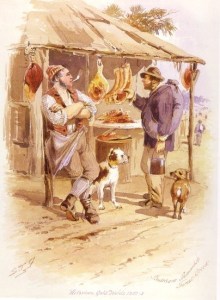
“Butcher’s Shambles” by S. T. Gill. You can find our Butcher’s Shambles at the bottom of the Red Hill Gully Diggings.

Of course not all of our exhibits are completely accurate for very practical reasons. If our museum really smelt like Ballarat did during the gold rush, you wouldn’t come. Nobody would! In the very early days after gold was discovered here in 1851, there were no sewerage pipes… You couldn’t flush away “your business”; you just tipped your chamber pot out wherever you could. By law you had to dig a hole to pour your poop down, but sometimes such muck just ended up on the street, along with the piles of horse and sheep manure. Talking of sheep, historians estimate that about 1000 sheep per day were walked into Ballarat to be butchered and eaten during the busiest part of the gold rush. This led to rotting scraps lying in huge piles next to the butchers’ shambles (shop), and this meant flies! I hope you agree that we have made the right decision in cleaning history up a little.

The most important thing we want you to do during a visit to Sovereign Hill is empathise with the people who were here 160 years ago. When you empathise with someone you try to put yourself in their shoes, and see the world through their eyes. When you walk around our Chinese Camp, try to imagine you were a Chinese gold miner living here in 1855.  What was life like for you? As you walk around the tents, imagine you were a woman with 4 children living on the diggings while your miner husband hasn’t found any gold. How would your family survive?

trooper

“No Gold License eh?!”

One of our favourite education sessions that school students enjoy is called “Gold Fever”. Maybe your class has visited us to play it, and you remember what it felt like to be a miner getting picked on by the nasty troopers. By competing to be the richest, and therefore, most successful miners, teams have to work together, be a little sneaky about Gold Licenses, and keep their eyes on the dodgy bankers. These are all problems Ballarat’s miners had to deal with on a daily basis. This game is all about teaching students to empathise with others and to understand how different life was in the past.

So, museums exist to teach people about history, while also teaching skills like empathy, critical thinking and chronology (putting historical events in order and understanding how one event often causes the next). Do you think Sovereign Hill does a good job at teaching visitors about history?

Links and References:

What is a museum? – http://en.wikipedia.org/wiki/Museum

Why go to a museum? – http://colleendilen.com/2009/07/31/10-reasons-to-visit-a-museum/

Why study history? – https://www.youtube.com/watch?v=hLE-5ElGlPM 

Studying History is important – http://www.history.ac.uk/makinghistory/resources/articles/why_history_matters.html

A great YouTube Chanel dedicated to teaching History – https://www.youtube.com/channel/UCX6b17PVsYBQ0ip5gyeme-Q

Sesame Street explain empathy – https://www.youtube.com/watch?v=9_1Rt1R4xbM

For teachers; empathy theory – https://www.ted.com/talks/jeremy_rifkin_on_the_empathic_civilization

Should museums teach facts or skills?: http://museumquestions.com/2015/01/26/schools-and-museums-can-museums-teach-content-to-school-groups/

The National Centre for History Education (Australian Government) on empathy –  http://www.hyperhistory.org/index.php?option=displaypage&Itemid=794&op=page

It’s beach time!

As this blog already contains several posts about the history of Christmas, this festive season we have decided to explore the history of beach holidays!

1

An early bathing machine.

Bathing in the ocean became popular in Europe in the 1700s, before Australia was colonised by Britain. Both immersing yourself in the water and drinking sea water were considered to cure all kinds of illnesses. As a result, many of Europe’s rich and powerful would spend a “season” at the seaside, bathing most days using a bathing machine. Believe it or not, winter was considered the best time to do this.

2

Ladies “Bathing Dress”- 1858, from the magazine Harper’s Bazaar.

A bathing machine was a hut on wheels in which people changed into their swim suits. This carriage-type contraption was then pushed into the water (using man power, horse power or sometimes even steam power) so the bather could step out and immediately lower themselves into the water. Some bathing machines had tents that would extend out and enable bathers to enter the water in complete privacy, while some came with “dippers” or “bathers”. These were attendants of the same sex as the bather who would dunk you underwater the correct number of times to cure whatever illness you had been diagnosed with.

Queen Victoria’s husband Prince Albert believed that sea bathing was beneficial to one’s health, and in 1846 he had a bathing machine installed on the beach near their summer palace on the Isle of Wight. Victoria and her daughters regularly used the bathing box to enjoy the water. The queen’s bathing box, used to preserve her modesty, is now fully restored and on public view.

3

Queen Victoria’s bathing machine has a veranda at the front where curtains concealed her from view whilst she bathed. Inside is a changing room and a plumbed-in toilet. The whole contraption was run into the sea from the beach along a long ramp, and pulled back using a wire rope and winch!

By the 1850s, when gold was discovered here in Ballarat, dippers had gone out of fashion. However, people continued to visit the seaside especially after train travel made reaching the beach cheap and convenient.  Some historians think that the main motivation now was pleasure and holiday making although many people still believed a visit to the seaside was good for your health. By this time people were going to the beach during summer rather than winter.

Bathing soon became popular here in Australia although in some parts of the country it was banned during daylight hours up until 1902 because a wet woman in a swim suit was considered an indecent sight. Furthermore, some men were said to enjoy swimming naked, so you definitely couldn’t do that in public.

4

St Kilda Esplanade, main beach (1864).

The St Kilda Sea Baths were opened in 1860 to take advantage of the popular seaside excursion trend. These enclosed sea baths were thought to keep bathers safe from Australia’s scariest sea creatures. However, even before the baths were built, St Kilda was a popular swimming spot. In the 1840s it already had bathing boxes (bathing machines with their wheels taken off), and by 1854 Captain Kenney had deliberately sunk a ship just off the beach and put out ropes to it for people to swim along. Once the St Kilda train station was opened in 1857 more sea baths opened and regular swimming competitions were held. As businesses, the baths were not the financial success the owners hoped as the majority of visitors to St Kilda soon became confident to swim in open water.

Since these humble beginnings, going to the beach has now become a normal part of Australian life. Most Australians live on or near the coast, and some of our beaches like Bells in Torquay, Bondi in Sydney and the Gold Coast near Brisbane are considered to be among the best in the world. Interestingly, having tanned skin was avoided by European women during the nineteenth century, as it showed you were poor and had to work outdoors like a peasant.

Like swimming, the history of swimwear is also fascinating, read all about it here. Enjoy the summer sun and happy holidays!

Links and References

The history of sea bathing: http://en.wikipedia.org/wiki/Sea_bathing

19th century bathing history: http://consideringausten.wordpress.com/2014/04/12/so-you-want-to-go-swimming-in-regency-england/

18th and 19th century bathing history: http://www.messynessychic.com/2014/04/15/victorian-prudes-beachside-bathing-machines/

History of St Kilda Baths, Melbourne: http://www.stkildaseabaths.com.au/history

History of sun tanning: http://www.skincancer.org/prevention/tanning/tale-of-tanning

Ten 1850s Inventions and Innovations

Some very weird and wonderful things were created during the Industrial Revolution (c. 1750-1900) and the 1850s in particular – the same decade that Ballarat’s gold rush got underway – saw some fascinating inventions and innovations.

ss great eastern

Brunel’s SS Great Eastern with its sails and steam-powered water wheel. This photo was taken in New York Harbour, 1860.

Seafaring Inventions

SS Great Eastern (ship) – Isambard Kingdom Brunel was an incredible engineer and designer during the early 1800s. He was a pioneer of steam-powered travel, and the SS Great Eastern was his third iron-hulled, steam-powered sailing ship (it had sails to use the wind and a steam engine when it was calm). This “Great Babe” as he called it, was specifically designed to bring travellers from the UK to Australia – 4,000 at a time to be exact – without needing to stop and refuel anywhere along the way. This was the largest ship in the world when it was launched in 1858, but sadly it suffered damage on its first journey south. Find out more about this amazing man and his remarkable feats of engineering here.

sub armour

Phillips’ Submarine Exploring Armour, 1856.

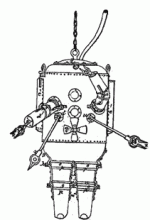
Submarine Exploring Armour – Lots of submarine designs had been tested out since as early as 1580, but even in the 1850s they weren’t being taken too seriously. An American shoemaker named Lodner D. Phillips, patented (a design that is licensed for production and sale by one person or company) a submarine propeller design in 1852 which allowed his home-made subs to go down to 30 metres. Phillips also patented something much more interesting in 1856: submarine exploring armour. Little is known about the success of this invention; no one appears to have actually worn one to explore the deep.

a-7095-atl (1)

Whalers hunting sperm whale (prized for the huge amounts of oil found in its head called “spermaceti”- used by these deep diving animals for sonar communication). Date: 1847 By: Illustrated London News (Newspaper); Duncan, Edward, 1803-1882. Permission of the Alexander Turnbull Library, Wellington, New Zealand, must be obtained before any reuse of this image.

Electric Whaling Apparatus – Hunting whales was big business during the 1800s; while the majority of Australian whaling was concentrated in Tasmania and New South Wales during the 1850s, Portland in southern Victoria produced tonnes of whale oil, meat and bone. Whale products were used to fuel street lamps, light train carriages, make corsets and beauty products, and provide protein in people’s diets. Even a type of whale pooh was prized – for perfume manufacture would you believe! In 1852 two German men decided to improve whale hunting technology by electrifying the whale harpoon (spear); once the harpoon pierced the skin of the whale, the animal would receive 8 electric shocks, which were guaranteed to kill it… Find out more about this invention here.

Domestic Technologies

Dishwasher – The first dishwasher was patented in the US in 1850 by Joel Houghton. It was a wooden machine with a hand-powered wheel that splashed water on dishes. It barely cleaned anything but it was a starting point for the design of the electric dishwasher.

014EVA000000000U04195V00[SVC1]

Advert for the Singer Manufacturing Company.

Sewing Machine – Many people had tried to design a machine that could sew clothing, shoes etc. but none of the designs before the 1850s were particularly popular, practical or affordable. That was until Isaac Merritt Singer came along, combined earlier designs and lodged a patent for his foot-powered machine in 1851. “Singer did not invent any notable sewing-machine advances, but he did pioneer the hire-purchase system and aggressive sales tactics” (International Sewing Machine Collectors Society website).  This eventually quite radically changed how people made their own clothes. Clothes that had traditionally been made (mostly by women) by hand, could now be completed in a fraction of the time, and this brought down the price of clothes and allowed the average person to own a greater variety of outfits and keep up with fashion trends. Apparently, “a sewing machine could produce a man’s shirt in about one hour, compared to 14 ½ hours by hand” (Draznin, Victorian London’s Middle-Class Housewife: What She Did All Day, pp. 66–68). Singer had some legal trouble with previous sewing machine designers, but as he streamlined earlier designs, he is often credited with designing the machine that people still use in homes and factories today.

The Zip – Sick of dealing with slow and annoying buttons, cords and ribbons to do up your clothes? Elias Howe Jr. was, so he invented the first zipper-style clothing and boot fasteners. Patented in 1851, his “Fastening for Garments”, was described as an “automatic, continuous clothing closure”, but it didn’t really work very well. Howe got distracted by sewing machine designs, and another attempt at making a zipper wasn’t made until 42 years later.

Washing Machine – While the wash board had been invented in 1797, 1851 was the year the first drum (big bucket) washing machine was patented. An American by the name of James King set out the design groundwork for the modern washing machine; however his 1851 version was hand-powered. There were a few steam-powered washing machines being used in the UK and US during the 1850s, but they were huge and only affordable to big clothing factories and hotels.  The invention of the electric washing machine changed the world.

irons

Two charcoal irons from the Sovereign Hill collection.

Charcoal Iron – Before the electric iron was invented in 1882 by Henry W. Seeley, people relied on fires to heat up their irons to then press their clothes. The charcoal iron was patented in 1852, and unlike the simple flatirons (which you placed on your stove to heat up) in common usage before its creation, its base is a container to hold hot charcoal. Interestingly, at this time some irons were fuelled with whale oil or kerosene! The charcoal iron was considered a better option than most on the market as it stayed hot for a long time (and wasn’t fuelled by a flammable substance!).

Medical “Advances”

Scarificator – This odd blood-letting device used by doctors to cure all kinds of illnesses, was already in existence in the early 1800s, but it was refined and improved by Frederick Leypoldt in 1851. Interestingly, Leypoldt was not a doctor, but thought that making a scarificator smaller was worth patenting.  Find out more about this curious medical practice here.

Sometimes small, local inventions save lives

bal bucket

The Ballarat Hook.

Ballarat Hook – Many of the miners who came to the Ballarat goldfields were middle-class, well-educated men. When they realised that having a heavy bucket of rocks and mud (and hopefully gold) swinging above your head on a flimsy “S” hook while you stand at the bottom of a mineshaft was a little scary, they developed a solution to this potential disaster. The Ballarat Hook keeps you safe below while still allowing you to easily release the bucket at the end of the day to take it home for safekeeping.

Links and References

The Industrial Revolution and the history of human energy use – https://www.youtube.com/watch?v=EM1IyIyr-Zc&list=PL8dPuuaLjXtNjasccl-WajpONGX3zoY4M

Who was I. K. Brunel? – http://www.bbc.co.uk/schools/primaryhistory/famouspeople/isambard_kingdom_brunel/,  http://en.wikipedia.org/wiki/Isambard_Kingdom_Brunel

On submarines – http://www.submarine-history.com/NOVAone.htm, http://en.wikipedia.org/wiki/Submarine

The history of sewing machines: http://ismacs.net/sewing_machine_history.html

The history of washing machines – http://en.wikipedia.org/wiki/Washing_machine

Everyone wants a washing machine because they are magical – http://www.ted.com/talks/hans_rosling_and_the_magic_washing_machine

The history of irons – http://en.wikipedia.org/wiki/Clothes_iron

Strange medicine – http://en.wikipedia.org/wiki/Bloodletting

Draznin, Yaffa Claire. Victorian London’s Middle-Class Housewife: What She Did All Day (#179), Contributions in Women’s Studies Journal, Westport, Connecticut: Greenwood Press, 2001, pp. 66–68.

Weird and wonderful goldfields history. Part one.

Animals

TigerDuring the Christmas school holiday period this year Sovereign Hill has focussed on some of the strange but true stories of the Ballarat gold rush period. These have included stories about a deep sea diver, zebra, tiger and diggers dressed as women.  As entertaining as these weird and wonderful stories have been, we must remember that as a museum it is our responsibility to be as accurate in our portrayal of goldfields’ history as possible.

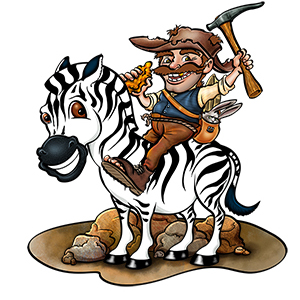
ZebraFor that reason all of these activities had to have some basis in fact, and this makes the stories even better. In this Blog we will explore two of these activities and the amazing true stories that they are based on.

Continue reading

Goldfields Medicine: Part 2

Apothecaries: medicines and food

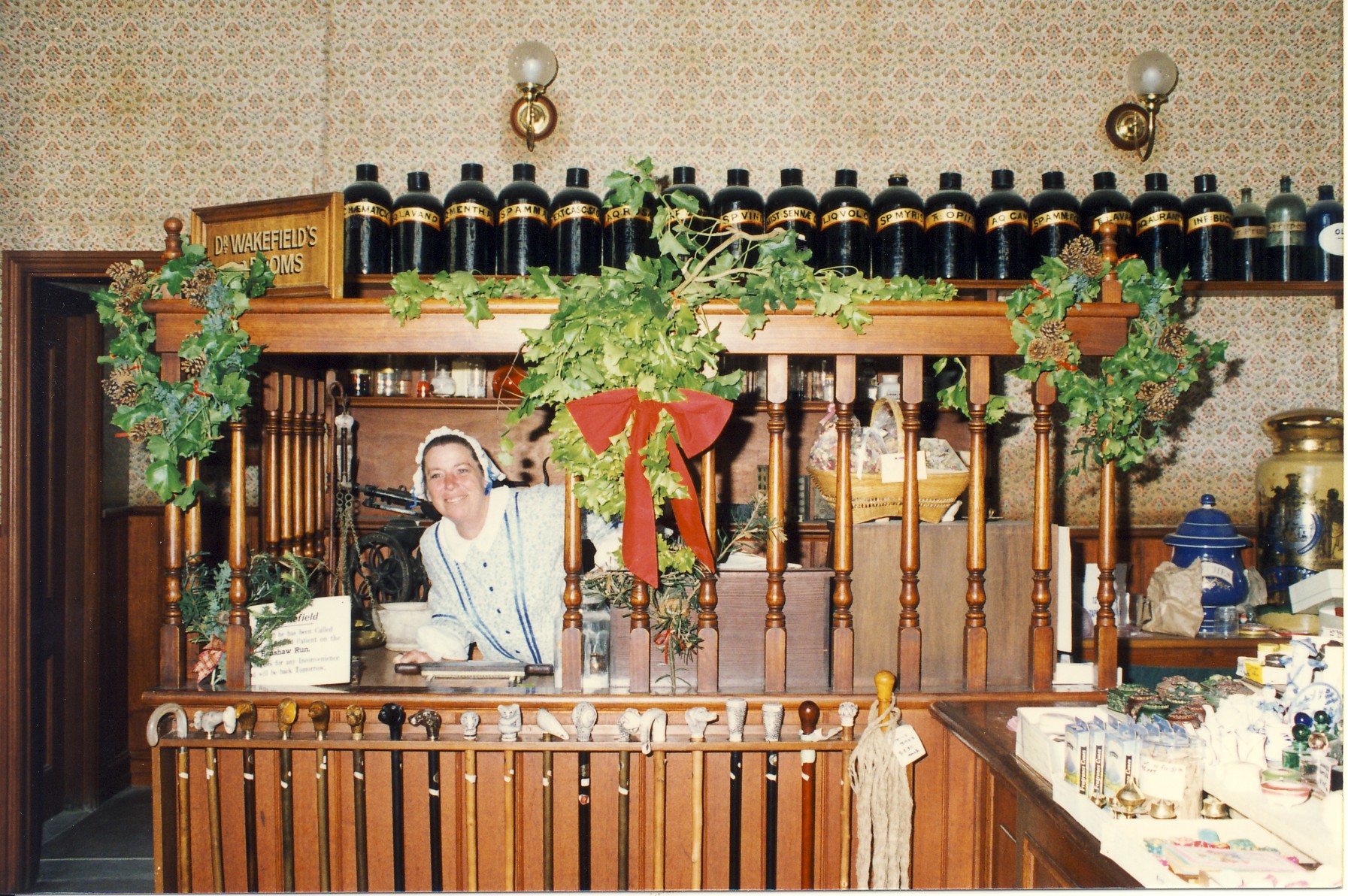
Interior of Apothecary at Sovereign Hill. Gold Museum Collection

Interior of Apothecary at Sovereign Hill. Gold Museum Collection

In a previous post we talked about doctors on the goldfields, and the early hospitals in Ballarat. But there were many other medical people on the goldfields. Among them were the Apothecaries, who could make up medicines, from the ingredients available at the time. Most of these ingredients were based on plant and animal extracts, and could also be used as foodstuffs. Their role is now mainly performed by Pharmacists, but an Apothecary did so much more. They also performed surgery, midwifery and gave medical advice. In this Blog we will explore the secretive world of the Apothecary, and how they contributed to the lives of people on the goldfields and the wider world.

Continue reading